mythology etiketine sahip kayıtlar gösteriliyor. Tüm kayıtları göster

17 Haziran 2024 Pazartesi

Hestia - OdAna


Grek mitolojisindeki Hestia'nın adı Türkçe kökenlidir ve OD ANA'nın karakterini taşır. 


HESTİA KÜLTÜ = OD ANA

* Romalılar'ın Etrüskler'den aldığı ve Hellen kültüründe bulunmayan dairesel yapı;

"Romalılar, Hellenlerde bilinmeyen daire şeklindeki tapınak mimarisini Etrüsklerden ödünç almıştır, ama bu sadece onların Mezar-tümülüslerine tanıdık bir form değil, aynı zamanda favorileriydi. İlk dönemlerde bu dairesel tapınaklar sadece Vesta veya Kibele'ye ithaf edilmiştir." [Hodder, M.Westropp]

* Ateşi beslemek; Saha (Yakut) Türkü ve Hestia Raibeleri;

"İonya'da ocağa Histie denilir ve ailenin evin ortasında bulunur. Bir aileyi mahvetmek ya da sürgün etmek için sadece ocağı dışarıya çıkarmak yeterlidir." [Walter Burkert] ; dediğinde ne anlıyoruz?..

Ocak kültünün Türk Dünyası'nda ve Alevi-Bektaşi Ocakları'nda hala devam etmesi demek:

Hesti/Vesta kültünün kökeni; Ateş İyesi Od-Ana'ya, yani Türk Kültürü'ne dayanır.

Gerçekleri saklayanların OCAĞI SÖNSÜN!

TÜRK KÜLTÜRÜ ve GELENEĞİ


Grekçe konuşanlar Türkçe konuşanlardan duydukları İsti'yi Od Ana'nın karakteriyle birleştirip

kendilerine Hestia adında bir mitolojik karakter yaratmış.

The Greek-speakers combined Isti (TR isti, Ionian H'isti'e), which they heard from the Turkish-speakers,
with the character of Od Ana and created a mythological character named Hestia.


The name of Hestia in Greek mythology is of Turkish origin and bears the character of OD ANA. 


"Romans borrowed from the Etruscans a circular form of temple unknown to the Greeks, but which to their tomb building predecessors must have been not only a familiar but a favourite form....in early times these circular temples were dedicated to Vesta or Cybele." [Handbook of Archaeology: Egyptian-Greek-Etruscan-Roman- Hodder M.Westropp]

What do we (Turks) understand when this tradition is performed? ;
"Hestia, Histie in Ionian, is the normal word for the hearth, the centre of house and family. To banish or destroy a family is to drive out a hearth." [Greek Religion (Yunan Dini) Walter Burkert]

It means that the cult of the hearth still continues in the Turkish World and Alevi-Bektashi Hearths:

The origin of the Hesti/Vesta cult is based on Od-Ana, the Spirit of Fire, i.e. a Turkish Culture and tradition.
Let the "fires of those who hide the truth be extinguished"! (is an expression in Turkish)

TURKISH CULTURE and TRADITION


SB


Ateş ile kötülüklerden arınmak, kımız ile Od-Ana'yı beslemek...

Cleansing from evil with fire, feeding Od-Ana with koumiss.

Turova/Çanakkale - Yakutistan (Saha Cumhuriyeti) yolundaki damgalarımız...
Our stamps on the road from Troy/Çanakkale to Yakutia (Saha Republic Turks).


TURKS and TURKISH

16 Eylül 2020 Çarşamba

Mother Umay


Mother Umay, owner of the Tree of Life

Protector of women, children, and Turkish communities around the world. It is the most important sacred being, symbol of birth and fertility in Turkish mythology.

There is a battle scene on a Umay stone stel and a leader gets her blessing. This scene is also to be seen on Pazyryk felt in Hermitage Museum.

Today, Umay is used as a female name.

She gave her name to the month; May.


SB

Umay Ana - Kayın Ağası - Artemis

Umay - Mayıs

Koban Kültürü Kafkas Değil Kimmer ve Saka Kültürüdür


Pazyryk Felt - Mother Umay and a Leader

The same symbol on Mamluk Turkish Banner, with a "Fleur de Lis"
14th c AD, Egypt


DG Savinov, Ancient burial mounds Uzuntala - Altai, (the question of allocating Kurai culture).// Archeology North Asia. Novosibirsk, 1982/link


MAIA is the daughter of ATLAS, which is a TİTAN and son of IAPETOS/IAPETUS (Yapet-os/us/Yafes, leader of the TURANIANS. Because all his children and grand children are listed as Turkish Tribes: Gomer [=Kamer/Kimmerians. Father of Ashkenaz = Kassites, Sacae, Khazar + Diphath (Dip Oghuz) + Togarmah (father of Ughurs, Khazars, Bulgars, Gokturks, Oghuz, Pechenegs, Sabirs, Avars)], Magog = Saka, Madai = Meds, Javan = Pelasg/İon, Tubal = Tabal, Meshech = Meşe/Mişer, Tiras = Tracians, Trojans)


30 Ekim 2017 Pazartesi

Türk Kültürünün Anglo-Sakson Edebiyatına Etkisi...


Orta Dünyanın Analizi - İlkay Aydın

Elinizdeki kitap, Yüzüklerin Efendisi romanında yer alan en önemli karakterlerin hangi mitolojilerden alındığını karşılaştırmalı ve detaylı olarak anlatan inceleme-araştırma çalışmasıdır. Bugüne kadar sayısız araştırma yapıldı. Kitaplar, makaleler yazıldı. Ancak tam anlamıyla deşifre edilemedi. Bu konuda rehber bir kitap olacak. Kısacası, Tolkien’in romanı yazarken yaptığı kokteyli nasıl hazırladığını göreceksiniz. Bunun yanında Türk kültürünün diğer kültürlerle olan derin bağlarını da.(arka kapak)

J.R.R.Tolkien (1892-1973) : John Ronald Reuel Tolkien, İngiliz yazar, şair, filolog ve profesör unvanlı akademisyen. Uzmanlık alanı Anglo-Sakson Dili ve Edebiyatıdır. Hobbit, Yüzüklerin Efendisi ve Silmarillion gibi fantastik kurgu eserleriyle tanınır. Tolkien öldükten sonra kitapları oğlu Christopher Tolkien tarafından derlenip düzenlenerek piyasaya sürülmüştür.


Analysis Of Middle Earth by İlkay Aydın 
(the book is in English and Turkish)

The book in your hand is a research study describing that the most important characters in the novel of "The Lord of the Rings" have been received from which mythologies in detail and comparatively. Until today, numerous researches have been carried out. But it could not be deciphered literally. I think that his book will be a guide. In short, you will see how Tolkien prepared the cocktail he made while writing the novel. In addition to that, the deep ties of Turkish Culture with the other cultures.


İlkay Aydın'ın "Orta Dünyanın Analizi" kitabı ile ilgili olarak
Prof.Dr.Osman Karatay'ın yorumu: 


YÜZSÜZLÜKLERİN EFENDİSİ...
Arkadaş bir konu bilimsel yöntemle araştırılır, bir sonuca ulaşılır. Sen araştırma süreci, sonuç veya yöntemle ilgili fikrini dile getirirsin. Biliyorsan tabii. Yoksa toptancı yaklaşamazsın hiçbir meseleye. Burası toptancı hali değil, bilim meydanı. Bilen konuşur burada. Bilmeyen susar.

Dünyanın Türk olması mümkün değil. Bunu biz senden iyi biliyoruz. Ama süren araştırmaları, gayretleri "dünyayı Türk yaptılar" diye yaftalayamazsın. Sana rağmen de bu çalışmalar sürecektir.

Neyse, gelelim esas meselemize. Değerli arkadaşımız Ilkay Aydin'ın yakınlarda "Orta Dünyanın Analizi" adlı kitabı çıkmıştı. 20. yy'ın en önemli yazarı kabul edilen Tolkien'in Yüzüklerin Efendisi'ndeki öğeleri Türk mitolojisi ile karşılaştırıyor. Yavaş yavaş, düşünerek okudum. Çok istifade ettim. Bir kez daha kutlarım.

Tolkien bir dünya, dolayısıyla ona özgü diller ve kültürler tasarladı. Bunun saf derecede özgün olmasını bekleyebilir miyiz? En başta elflerin varlığını biliyorsak, elbette hayır. Dolayısıyla Tolkien ürettiği dilleri ne derece mevcut dillerden farklılaştırabildi? Ona da kuşkulu yaklaşmak gerekir.

İlkay'ın çok güzel tespitlerine ilave olarak bazı notlarımı burada aktarmak istiyorum. 

- Arda: Arapça 'arz' (aslında okunuşu 'ardh'), İng. 'earth', Mac. 'erdö' gibi birçok kelime 'yer' ile ilgili anlamlar içeriyor. Dolayısıyla, 'arda' çok özgün değil, kopya.
- Eldar: Quenya dilinde el kelimesi 'halk' demekmiş. Bana çok tanıdık geldi :). Ama Ön-Türkçede 'yıldız' kelimesinin karşılığı olmalı bu. Tolkien Ön-Türkçenin temel özelliklerini biliyor olmalı.
- Melkor: Kor kelimesi 'yükselen' demekmiş. Bizde de öyle. Quenya dili Türkçeden mi türetilmiş acaba?
- Çoğul eki -r: Bunun romandaki türetme dile eski Norsk dilinden değiştirilmeden alındığı görülüyor ama eski Türkçede de aynı çoğul eki var.
- Avar elfleri, bana tanıdık geldi.
- Kötü Maia'ların ismi olan 'balrog' sanki Macarcadan kopyalanmış. 
- Dehşetli iki balrogun ismi ilginç: Gothmag ve Thuringwethil. Birincisinde Goth gözüküyor. Olabilir diyeceksiniz ama durun ikincisinde Batı Gotlarının kendine verdiği isim olan Thuring var.
- Kurt adam Drauglin'in ismi hepinize Transilvanyalı Kont Dracula'yı çağrıştırmıştır.

Avarlar, Macarlar, Gotlar, Ulahlar derken bayağı bayağı Doğu Avrupa'da dolaşıyoruz. Kusura bakmayın, German mitolojisi Yüzüklerin Efendisi'ni üretecek yeterlilikte değil. Olsaydı Goethe'nin Faust'u bu kadar çok Yunan rengine bürünmezdi ve German olarak kalırdı. Ama Tolkien akıllılık etmiş, Yunan mitolojisi iyi bilindiği için neredeyse hiç girmemiş oraya.

- Saruman: Ak Saruman derlermiş ona... Saruman eski Türkçede zaten 'akça' demek. 
- Entleri ayaklandıran Radagast... Hayal ürünü mü sandınız? Değil. Antlar Avarlara direnen en önemli Doğu Slav kabilesinin ismidir, Radogast da onların kralı. Romandaki Radagast'ın hayatı Rhosgobel'de geçer. Burada da Rusya'nın kaynaklardaki en eski ismi olan Rhos geçiyor. Tolkien gerçek tarihten Ctrl C ve Ctrl V yapmış sanki.
- Boromir, adının anlamı bilinmese de (yani Tolkien bunu bize açıklamasa da), savaşçı komutandır. Ortak Slav dilinde bu kelime "Dünyanın Savaşçısı" anlamına gelir. Kaçmaz üstad! Doğu Avrupa benim bölgem.
- Alın bir tane daha: Smaug ejderhanın adı. Eski Slav zmay da 'tesadüfen' ejderha anlamına geliyor.
- Sauron'un bir kara şamancasına şekil değiştirmesini eski Türk kültüründeki "don (biçim) değiştirme" ile bağlantılı inceleyebiliriz.
- Uruk-hai halkı romanda Moğolsu bir tiple betimlenir. Lütfen sizler Uranhay kelimesinin anlamına bir bakıverin, nereye gideceksiniz.
- Resimdeki Gondor'un ismi "Taş ülkesi" anlamına geliyormuş... Bugün Taşkent'in merkezinde bulunduğu bölgenin eski İrani ismi Kang idi ve Ön-Türkçe Çaç 'Taş' kelimesinin çevirisiydi. Tolkien bu kelimeyi alıp sonuna eski Türkçede topluluk ve ülke anlamı veren dur- ekini koyarak bu ünlü kentin ismini elde etmişe benziyor.

Belki daha neler var İlkay'ın her sayfası dolu kitabına ilave edilebilecek...

Bir iyi, bir de kötü haberim var İlkay'a: Bu kitabın ikinci cildini yazabilir. Kitap o kadar iyi ki ve konu o kadar derin ki, bunu devam ettirmek gerekecek gibi... Daha bir kaç gün önce izlediğim bir filmde Elfler şarkıcılık ve dansözlükten başka işe yaramadıkları için Grimm kardeşlere saydırıp duruyorlardı. Emre Aygün, ikinci bir omuz verip onları Alperen haline getirmek de galiba sana düşen görev olacak. "


"Elf" was derived from "Alp", not only the name, they have the same character to...Origin is Turkish Culture !


Reha Başoğlu ile İlkay Aydın Ropörtajı
Sözcü/Kültür Sanat-22 Ağustos 2017


İngiliz dilbilimci ve Oxford Üniversitesi profesörü J. R. R. Tolkien’in inanılmaz hayal gücünün eseri Yüzüklerin Efendisi, kendine has öğeler taşımasıyla kimi çevrelerce bir sanat eseri olarak tanımlanırken, tüm zamanların en çok satan ikinci romanı olarak da dünya tarihine geçti. Peter Jackson'un yönetmenliğinde sinemaya aktarılan ve sayısız ödül alan seri ise dünyada milyonlarca kişi tarafından izlendi. Bu denli geniş çevreye hitap etmeyi başaran Tolkien'e, hayal gücüne, romanda yer alan felsefeye ve de sembollere ilişkin birçok kitap, analiz ve makale yayımlandı…

Mersin'de yaşayan harita mühendisi İlkay Aydın ise yeni çıkan ‘Orta Dünyanın Analizi’ kitabında Tolkien'in Yüzüklerin Efendisi romanının yapısını oluştururken esinlendiği kaynağın Türk mitolojisi ve destanları olduğunu ispat niteliğinde ortaya koyduğunu belirtiyor. Kendisiyle İngilizce ve Türkçe olarak çıkan yeni kitabını ve detaylarını konuştuk…

R.B.: Kitabı yazmaya nasıl karar verdiniz ve araştırmanız ne kadar sürdü? Gerek Erken Türk tarihi gerekse Tolkien eserleri konusunda geniş bir birikim isteyen bu süreç, ne gibi evrelerden geçti?

-  1981 Mersin doğumluyum. Yıldız Teknik Üniversitesi-Harita Mühendisliği mezunuyum. Meslek alanımda çalışmanın yanında yaklaşık 3-4 yıldır Ön-Türk kültürü ve tarihi üzerine araştırmalar, okumalar yapıyorum. Aynı zamanda ekstrembilgi.com adresinde bir web sitem var. Kitap fikri web sitemin sayesinde oldu. Hem Türk tarihi üzerine çalışmalarımı geliştirmek hem de web siteme içerik sağlayabilmek için bir Türk mitolojisi sözlüğünü okumaya başladığımda fark ettim benzerlikleri. Sonrasında 4-5 günümü alan bir yazı hazırladım. İnsanlardan olumlu tepkiler almak cesaret verdi ve kitabı yazmaya karar verdim. Sonrasında ne kadar zorlu bir çalışmaya talip olduğumu fark etmeme rağmen tüm önemli karakterleri deşifre edeceğimden emindim. 1,5 yıllık yoğun bir çalışmanın sonunda kitabımı tamamladım.

R.B.: Ön-Türk tarihi kimi araştırmacılar tarafından M.Ö. 40 bine kadar dayandırılacak kadar oldukça eski olmasına rağmen, yanlış siyasi politikalar nedeniyle bazı çevrelerce “Her şeyi de Türkler'e bağlıyorlar” gibi bir algı oluşmuş durumda. Kitabınızla ilgili de gelebilecek böyle eleştirilere şimdiden bir cevabınız var mı?

-  Öncelikle kitabımı okumalarını tavsiye ederim. Herkesin başta kabul etmesi gereken şey Türk kültürünün ve tarihinin büyüklüğü. Her şey Türkleri içeriyorsa söylemekten çekinmem. Ancak çalışmamda tarafsız ve bilimsel bir yaklaşımım var. Emin olmadığım hiçbir yerde Türklerle bir bağ kurmaya çalışmadım. Tolkien'in neyi nereden almış olabileceği konusunda düşündüm. Tespit ettiğim karakterlerin Yüzüklerin Efendisi'ndeki karakterlerle ortak özelliklerini maddeler halinde sıralayınca ortaya kitabım çıktı.

R.B.: Peki, okurlar, kitabınızda nasıl bir kurguyla karşılaşacak? Tolkien'in yarattığı dünyanın hangi bölümleri ele alınıyor?

-  Öncelikle Yüzüklerin Efendisi'ni bilmeyen ve mitoloji ile ilgili olmayan okurlar için temel bilgiler vermeye çalıştım. Sonrasında en önemli karakterlerin ayrı ayrı incelemesi karşınıza çıkıyor. Yüzüklerin Efendisi'ndeki karakteri tanıtıyorum. Mitolojide eşleştirdiğim karakteri tanıtıyorum. Sonrasında iki karakter ortak özelliklerini sıralıyorum. Bunun haricinde Orta Dünya haritasının gerçek yerini izah eden bölüm, mekanlar ile ilgili çözümleme ve karakterler haricindeki araştırmamda ortaya çıkan ek bilgiler, motifler, ve olayları kısaca değerlendiren genel notlar bölümüyle tamamlıyoruz.

R.B.: ‘Yüzüklerin Efendisi kitabında Tolkien'in Türk düşmanı olduğu ve Orc'ların da Türk olduğu' iddiası var. Kitabınızda ise bununla ilgisi olmayan bambaşka bir boyut karşımıza çıkıyor. Bu ‘Orc'lar Türktür' iddiası nereden çıktı ve işin aslı nasıl?

-  Bu iddia, kitabımla ilgili bana sorulan soruların başında geliyor. Sanırım çalışmamın bu tür spekülasyonları içerdiğini düşünmelerinden kaynaklanıyor. Bu konu Tolkien'in mektuplarında geçer. Orc’ları tanımlarken “Kısa boylu, geniş vücutlu, yassı burunlu, soluk benizli, geniş ağızlı ve çekik gözlü -Avrupalı gözüyle- Moğolların daha aşağı ve daha sevimsiz versiyonlarıdır” şeklinde bir ifadesi var. Bir diğer konu ise Orhun kelimesinin İngilizce yazılışının ‘Orkhon’ olmasından kaynaklı. Sonraki açıklamalarında ırkçı bir yaklaşımı olmadığını beyan ediyor. Ben de Tolkien'in ırkçı olmadığını düşünüyorum. Tolkien, kahramanlarına, mekanlarına, öğelere isim ararken dünya mitolojilerinden faydalanmış. Numenor krallarına ad verirken Oğuz Kağan'ın oğullarının isimlerinden faydalanmış. Rohan Kralı Theoden'in defin töreni Türklerdeki ‘yuğ töreni’dir. Kitabımda da detaylı bir şekilde izah ettiğim gibi büyük oranda Türk kültüründen faydalanmış. En önemli karakterleri oluştururken, Türk mitlerini hikayenin merkezine yerleştirmiş. Irkçılık veya düşmanlık bunun neresinde?

R.B.:Teşekkür kısmında Dr. Muazzez İlmiye Çığ'ın ve Prof. Dr. Osman Karatay'ın isimleri var. Kitabı yazarken size nasıl destek oldular?

-  Aslında Tolkien de bir teşekkürü hak ediyor. Sağ olsun bana tüm mitolojileri okuttu. Sümer mitolojisi ile ilgili bazı detaylarda İlmiye Hocanın değerli katkısı oldu. Sayın Osman Karatay hocamın ise Elf ve Alp karşılaştırmasını içeren değerli makalesi işimi kolaylaştırdı. Kendisini her fırsatta rahatsız ettim. Takıldığım bazı konuları danıştım. Bazen tamamladığım bölümleri kendisine okutup bir nebze de olsa çalışmamın teyidini yapmaya çalıştım.

R.B.:Tolkien'in Orta Dünyası'nın esin kaynağı için yurtdışında birçok felsefi ve dil bağlamında eleştiriler, analizler yayımlanıyor. Kitabınızda dikkatimi çeken nokta, bunların arasında yaratılış mitosunda İbrahimi dinleri, İskandinav, Yunan mitolojisi ya da Doğu mitolojisine bağlayan çalışmaların aksine Türk mitolojisini örnek gösteriyorsunuz. Bu kıyaslamalardan Türk mitolojisi nasıl galip çıktı?

-  Kitabımda bunu detaylıca anlattım. İlk önce Tolkien'in oluşturduğu hiyerarşiyi algılamak ve kağıda kaleme dökmekle başladım. Hikayede Tanrı Eru evreni yaratmıştır. Kendisine arkadaşlık etsin diye de Valar ve Maiar'ı yaratmıştır. Burada Tanrı-Tanrı Yardımcısı-Rahip veya Tanrı-Tanrı yardımcısı-Kam veya büyücü şeklinde bir oluşum çıkıyor. Bu oluşumu tüm dünya mitolojileri ile karşılaştırmak gerekiyordu. Elemeyi yaptıktan sonra her şey çorap söküğü gibi geldi.

R.B.:Yaratılış mitoslarından Altay, Er Sogotoh ve Yakut destanlarından referans veriyorsunuz. Orta Dünya'nın bu destanlarla ilişkisini kısaca açıklar mısınız?

-  Bizzat ‘Orta Dünya’ kelimesi bu destanlarda geçiyor. Orta Dünya kelimesinin İskandinav mitlerinden alıntı olduğu konusunda genel bir kanı var. İskandinav dillerinde geçen mid-gard ‘Orta Bahçe’ veya ‘Orta Yer’ anlamına gelse bile ‘Orta Dünya’ demek değildir. Siz olsanız halihazırda Türk mitolojisindeki ‘Orta Dünya’ kelimesini mi kullanırsınız yoksa mid-gard'ı esnetip ‘Orta Dünya’ manasında mı kullanırsınız? Aslında bu benzerlik İskandinavlar ve Türkler arasındaki kültürel etkileşimi de ortaya çıkarıyor. Bu açıdan ayrı bir önemi var.

R.B.: İyilerin tarafındaki Gandalf ile Oğuz Kağan destanındaki Arkıl Hoca karakteri eşleşiyor. Kimdir Arkıl Hoca, benzerlikleri nelerdir?

-  Arkıl ve Irkıl Hoca yüce bir şaman. Şamanların atası kabul edilir. Oğuz Kağan destanında geçer. Aynı zamanda Oğuz Kağan'ın oğlu Gün-Han'ın veziri, yaşlı bilge danışmanı olarak geçer. Bu özellikleri ve Aragorn-Gandalf ilişkisi sebebiyle benzetilebilir. Gandalf'ın bir diğer adı da ‘Gri hacı’dır. Ancak kitabımda bahsettiğim gibi Gandalf'e Irkıl hoca demek araştırmamı eksik kabul etmek demektir. Gandalf'ın kim olduğunu bölümdeki metnin tamamını okuyanlar anlayacaktır.

R.B.: Harita mühendisi olmanızın çalışmanıza etkisini herhalde kitabınızın son bölümünde ilginç bir çözümlemeyle görüyoruz. Bu çözümleme aklınıza nasıl geldi?

-  Yıldız Teknik Üniversitesi Harita Mühendisliği Bölümü’ndeki değerli hocalarıma saygılarımı sunuyorum. Mesleğimi en ilginç şekilde icra eden ben oldum sanırım. Tolkien'in her bir öğeyi bir yerlerden esinlenerek oluşturduğu fikri zihnimde yer edince, “neden Orta Dünya haritası da gerçek dünya haritasında olmasın?” diye düşündüm. Dünya haritasını bölge bölge tarayıp Orta Dünya’daki yer şekillerini eşleştirmeye çalıştım. Bulmam çok uzun sürmedi. Ancak Orta Dünya haritasını tam olarak tespit etmek için 17 noktayı çakıştırdım. Yorucu bir çalışmaydı.

R.B.: Kitabınızda Tolkien'in Yüzüklerin Efendisi eserinin Türk destanları ve mitlerindeki karakterlerden ve kültüründen esinlenerek ortaya çıktığını ispat niteliğinde gösteriyorsunuz ve kitabınız İngilizce olarak da çıkacak. Yurtdışında okunması ve yankılanması açısından şimdiye kadar ne gibi çalışmalarınız var?

-  İngilizce tercümesi Türkçe baskısıyla eş zamanlı tamamlandı. Şimdilik amazon.com'da yayınlanıyor. Kindle okurları için dünyanın her yerinden erişilebilir durumda. İngilizce ve diğer dillere çevrilip basılı halde yayımlanması ile ilgili İngiltere'de çok uluslu bir yayınevi ile görüşebilirim. Öncelikli olarak Türkçe baskısında istenilen noktaya gelmesini bekliyorum. Kitabımın yayın tarihi dikkate alındığında yurtdışı için adım atmanın erken olduğunu düşünüyorum. 2. baskıda kitabı genişletme ihtimalim sebebiyle de biraz bekliyorum.

R.B.: Daha fazlasını araştırmak isteyen okurlara hangi eserleri okumayı tavsiye edersiniz?

-  Ben çalışmamı yaparken Julius Ceasar'ın Gallia Savaşı isimli kitabından tutun George Macdonald'ın ‘Princess and Goblin’ine kadar okumak durumunda kaldım. Tolkien'in özellikle ünlü Rus Türkolog Vasiliy Radloff'un eserlerinin tamamını okuduğuna eminim. Tolkien'in neleri okuduğunu şöyle hayal etmeye çalıştığımda kendisinin orta çağ masal ve efsanelerini sevdiğini, Fin diline olan ilgisi sebebiyle bir şamanik destan olan Kalevala'yı okumasından sonra Orta Asya'yı derinlemesine incelemeye başladığını tahmin ediyorum. Sonrasında bu kadar bilgiyi nasıl kullanırım noktasında Yüzüklerin Efendisi'nin ortaya çıktığını düşünüyorum.

R.B.: Türk kültürü, dili ve destanlarının bu kadar köklü bir tarihe ve zengin bir sembolizma evrenine, hem de Tolkien'in yüz milyonlarca kişiye ulaşan hayal gücünün eserine kaynaklık edecek kadar derya deniz bir niteliğe sahip olmasına rağmen, Türk dünyasında bu tür romanlar göremiyoruz. Her iki evreni inceleyen biri olarak bu durumu nasıl yorumluyorsunuz? Popüler tabirle sorarsak; Neyimiz eksik?

-  Aslında son dönemde Türkiye'de fantastik edebiyatta Türk mitolojisini içeren eserlerde artış gözlemliyorum. Mitoloji denince dinsel hikayeleri de kapsıyor. Belki çoğunluğun Müslüman olduğu bir ülkede olmamız ön yargılı bakmamıza sebep oluyor ve bizi kendi kültürümüzden uzaklaştırıyordur. “Neden biz yapmadık” diye hayıflanmakta haklıyız. Bu soruyu sosyologların ve edebiyatçıların cevaplaması daha doğru olur.

R.B.: Kitabınızda yer alan Orta Dünya ve Türk medeniyetleri ilişkilendirmesi oldukça ses getirecek. Orta Dünya'nın Türk kökenlerini araştırmaya devam edecek yeni eserler gelecek mi? Kısacası bir sonraki projeniz ne olacak, ipucu var mı?

- Açıkçası Orta Dünya ve Türk ilişkisi yerine herhangi bir dünya mitolojisinden olduğunu keşfetseydim de kitabı yazardım. Tabi Türk kültürünün yoğun olması bizim için ilgi çekici ve önemli. Kitabımın sonunda bahsettim. Eğer okurlardan yoğun bir talep gelirse Yüzüklerin Efendisi'nde incelenmesi gereken çok sayıda konu hala mevcut. Örnek vermek gerekirse, Tolkien'in oluşturduğu diller muazzam. Olayları Joseph Campbell'in monomitleri ile eşleştirilebilir bir çözümleme de yapılabilir. Benim temel amacım Ön-Türk kültürü ve tarihi üzerine çalışmak. Zaten bu kitap çalışması da tesadüfen fark ettiğim bir durum. Türk mitolojisi sözlüğü okurken bir anda kendimi Orta Dünya'nın içinde buldum. Bir sonraki projeme henüz karar vermiş değilim. Üzerinde düşündüğüm birkaç konu var. Etrüskler, İskitler, Avrupa dillerine yerleşmiş Türkçe sözcükler gibi… Sayın Muazzez İlmiye Çığ hocamın bir önerisi oldu. Belki hiçbiri olmaz ve Silmarillion'da yer alan karakterleri analiz ederim. Zaman gösterecek....


Betül Lostris'ten kitabın analizi için link Anka Enstitüsü


"Herkes Türk değil", Türkoloji adına araştırma yapanların sloganı da bu değil zaten. Türkler tarihi, kültürü, efsaneleri ve bir birey olarak "Avrupalı"ların içine nüfus etmiştir. Batılıların, Türkleri "doğulu ve alt medeniyetten" görmeleri, geçmişi bırak bugün dahi "kendilerin üsttün medeniyetten" saymalarından kaynaklanmaktadır. Açıkça görülür ki, hala "ari ırk" teorisine sarılmaktadırlar. 

Doktora öğrencilerinin çalışmalarında birazcık Türk kültürü ve tarihine atıf yapılsa, doktoralarını vermemek için önüne engel koyarlar. Türk kültürü ve tarihini "Batı tarihi ve kültürüyle karşılaştırmalı araştırma yapanlara "sen bununla ilgilenme, o Türk değil, Türk Orta Asya'dan geldi, o dönemde Türkün ne adı ne de kendisi vardı" diyerek projesine onay vermezler. 

SSCB döneminde "Kurşunlanan Türkoloji" gibi, bugün AB+ABD Üniversiteleri + UNİCEF - NWO (Yeni Dünya Düzencileri) ve hatta BM bile Türkoloji çalışmalarının önüne engel koymaktadır. Bunu da en çok yurtdışında öğrenim gören doktora öğrencileri yaşar. Araştırma yapan "batılılar" Türk dünyasına bakmak bile istemez. Pazırık'ın Gordion Kurganı ile bağlantısını görmek istemez. Alp'ın Elf'le olan bağını göz ardı eder. Türkçe'nin dünya dillerine etkisini duymak istemez. Anglo-Sakson destanı olan Arthur, Excalibur, Lancelot, Beawulf'un ya da Hıristiyanların Kutsal Kase'sinin Türk kültürünün içinden çıktığını şiddetle red eder.  Alman, yani 1200'lerde yazılan German destanı Nibelungen'da  geçen Balmung Kılıcı'nın aslında Siegfried'in değil 453'te ölen Attila'nın Kılıcı olduğunu, 6.yy'a gelindiğinde ise Arthur adının ilk kez görüldüğünü ve 12.yy'da da Excalibur kılıcıyla beraber tanıtıldığını ve hepsinin de çalıntı ve sonradan uydurma "destanlar" olduğunu da kabul etmez.  Vikinglerin tanrı diye kabul ettikleri Odin'in bir Türk olduğunu bilmek istemez. Nasıl ki "Avatar" filmi Yakut Türkleri'nin Olonho Destanı'ndan çıkma ise, Çin Destanı olarak geçen "Mulan" da bir Türk'tür... Hatta, Homer'in destanları bile Dede Korkut ile paralellik taşır ki, Homer'den daha eski olduğunu söyler Azerbaycan Türkologları...

1940'lı yıllarda okul kitaplarında geçer İskitler'in Türk olduğu. Peki, yeni nesil bugünkü eğitim kitaplarından öğrenebiliyor mu bunu? Hayır!.. 1949'dan beri eğitimimizin içinde cirit atanlar, Türk tarihini değiştirme tohumlarını bir bir atmıştır... Üstüne de artarak gelen din eğitimi cilasını vurmuştur. O günden beri gelip geçen hükümetler ise, ne içte ne de dışta, Türkoloji araştırmalarına "canı gönülden" destek vermemiştir...Lakin bu değişecektir. Bize düşen görev ise, Türkoloji alanında çalışıp tüm zorluklara karşı göğüs geren hocalarımızı, öğrencilerimizi ve araştırmacılarımızı desteklemektir. Saygılar, SB.


"Sen Türk olduğunu unutsan da, düşmanın asla unutmaz!"
Ebulfez Elçibey 
(1938-2000)


6 Mayıs 2017 Cumartesi

Atadamlar Barbar mı? / Are the Centaurs Barbarian?


At Adam (Kentaur) Chiron tarafından Eğitilen Achilles (Aşil)
Herculaneum Basilikasından Fresk - MS 50
Ulusal Arkeoloji Müzesi - Naples


Demek Aşil, "medeniyetten yoksun", "vahşi", "ürkütücü" ve "aşağı ırk" olan barbarlardan "eğitim" aldı! Üstelik sadece Aşil (Peleus'un oğlu) de değil; 

* Troya'da savaşan Ajax (Telamon'un oğlu; annesi Truvalı Priam'ın kızkardeşi olan Teucer ile yarı kardeş), 
* Bir zamanlar Pelasgların yerlisi olduğu Aegina'nın Kralı Aeacus'un (aynı zamanda Ajax ile Aşil'in dedesi) oğulları Telamon (Priam'ın kızkardeşi ile evlenen) ve Peleus,
* Apollo'nun oğlu, tıp tanrısı Asklepion, 
* Bilgeliği temsil eden Altın Post'un peşinde giden Argonotlardan Jason, 
* Gorgolardan (ki Korku kelimesidir) Medusa'nın kafasını kesen Perseus, 
* Apollo'nun oğlu, kültürel buluşların kahramanı Aristaeus,
* Bilgimiş ile eşleşen ve de İskitlerin atası olarak kabul edilen Herkül,
* Anadolu'nun yerlisi olan (ve Sabazios'tan türeyen) Dionysos


Bunların hepsi "medeniyetsiz bir barbar" dan eğitim aldı, öyle mi?
Hepimiz aldatıldık!.. Kentaurlar uygardı, barbar değildi, yoksa her konuda eğitim verebilir miydi? Atı ile bütünleşmiş olan İskitler/Sakalar, atının üzerinde uyur, yer, savaşır ve yaşardı. Görmediğin, ama duyduğun bu hikayeleri, bir şekilde hayalinde canlandırırdın; At Adamlar/Kentaurlar ;) ... Hatta İskit Türkleri Atina'da "Polis"lik görevi yapmıştır. 


*


photo above:
"The Education" of Achilles by Centaur Chiron 
From the basilica in Herculaneum. 50 AD
National Archaeological Museum, Naples


Achilles Educated by "uncivilized", "non-higher-race", "scary", "barbarian" Centaur! And not only Achilles, but also; god of medicine Asclepius, Ajax of Troy, Jason from the Argonauts, Perseus who beheaded Medusa, Aristaeus the culture hero, king Aeacus sons Telamon and Peleus, Heracles and even Dionysos...


How so? You can not be educated by uncivilized barbarian...
We all are been fooled!..Centaurs were civilized, higher-race, non barbarian...Centaurs are the Scythian Turks, who lived, fight, eat and sleeps on horse, "intergrated with his horse"....And they worked as "policeman" in Athens... Which is converted to Gendarme in later times.... And Gendarme is not French, but Turkish, written in the 6th-8th c Orkhun monument as "Yandar". Yandar-Candar-Kentar/Centar (Centaur)= Jandar (Gendar+me)...And when the Orkhun monuments were erected, there was no French nation!... Something that you don't see, but just hearing the description, you can only imagine what it look like; Horseman/Centaurs.. ;)


ETRUSCAN 6th c BC - CİMMERİAN/SCYTHİAN 7th c BC - PİCTİSH 7th c AD
Etrüsk MÖ 6.yy - Tarquina (Tarkan, Tr.etym.)
Frigya'da Kimmerlerin varlığı


K/Centaur - Gentaur - Gandar - Yandar - Candar - Jandarma
K/Cassites - a non-Indo-European/Iranian, A Turanian/Turk


"The centaur with small wings growing out of the small of his back is galloping to r.and is about to shoot an arrow from a bow; his quiver is on his back and over his equine body he wears the skin of a wild animal, probably a panther, fastened at his waist. On the r. is a date tree, and under him three flowers."

"Cassite period 1350 BC"
"This seems to be a characteristic feature of the seals of Cassite period"
"It was originated by the Cassites, they knew the centaur as early as 1350 BC.

[from the book: Centaurs in ancient art, the archaic period by Baur, Paul V.C.-1912]


Fransızlara bizden geçmiştir, Fransızlardan bize değil!


Atıyla bütünleşip Yandar olan Türk = K/Centaur


What did you think, "Greek Myth"? No my friend, it is not "Greek" of origin...The Greeks borrowed many thinks...


8 Kasım 2016 Salı

Tünder - Tündér


"Tündér" in Hungarian "Fairy" - Macarca'da "Tünder" "Peri"
"Tünder" in Turkish "Night" - Türkçe'de "Tünder" "Gece"
"Tün": etymology is Turkish - Kökeni Türkçe


"Bu tip fenomen için Macarca olan kelime Tünder'dir. İngilizceye genellikle Peri olarak çevrilir ve mistik folklorik varlıklara verilen addır. Eski Kelt inancında Tüner tıpkı Macaristan'da olduğu gibi ilahi bir kişiliktir. Ilona onu Cennetlik-Göksel Ana ile eş tutar. Yahudi-Hıristiyanlık'ta ise Periler şeytani veya iblisi varlıklardır."

"The Hungarian word for such a phenomenon is “Tündér,” usually translated to English as Fairy, though the English equivalent is a name given to mystical beings in folklore, so-called “Fairy-Tales.” In the ancient Celtic Faith, a Fairy is associated with divinity just as in Hungarian Tündér Ilona refers to the Heavenly Mother. JudeoChristianity turns Fairies into demons or pseudodemons." [Study notes on the historical Jesus based on the works of Professor Badiny, Jós Ferenc, and other esteemed scholars Fehérlófő tankör (study group)2008)


Macarca'da Tündér, çok güzel ve bakire masal varlığı olan Peri kızı demek ve dilekleri yerine getirebilir. 

tündér
A magyar → népi hitvilág tündérét kevés, főleg mondai adat képviseli. Az adatok többsége régi, nehezen értelmezhető. Bizonyos, hogy határozottan körvonalazott tündér-képzete a magyar néphitnek a múltban sem volt, a jelenben pedig ismeretlennek mondható; viszont a → boszorkánynak, → szépasszonynak és bizonyos → vízilényeknek vannak a Ny-európai tündéralakok tulajdonságaival rokon vonásai. Adataink jó része helyi monda: így pl. bizonyos felvidéki, erdélyi várromokat tartottak tündérek által lakottaknak, ill. építetteknek; továbbá bizonyos kőalakzatokat kővé vált tündéreknek. Ezenkívül főleg a Balaton partján és a Csallóközben voltak ismertek fürdőző, fésülködő, táncoló, a Duna szigetein mulató, aranyport hullató, aranypatkót elhagyó stb. tündérekről szóló helyi hagyományok. (→ még: tündérmese, → Rapsonné vára) – Irod. Róheim Géza: Magyar néphit és népszokások (Bp., 1925); Pais Dezső: Tündér (A magyar ősvallás emlékeiből, Bp., 1975).


*

Kazak Türkçesi ile üç şarkı sözünde Tünder
Kazakh-Turkish 3 songs with Tündér
Kazah-Török 3 dalt Tündér

Üzdikken tünderimdi, Үздіккен түндерімді.
Ötken künder, aylı tünder, Өткен күндер, айлы түндер.
(link)

Esіñde me sol bіr künder, Есіңде ме сол бір күндер.
Esіñde me sol bіr tünder, Есіңде ме сол бір түндер.
(link)

Armandarın künder-ay, Армандаған күндер-ай!
Juldız tamğan tünder-ay, Жұлдыз аққан түндер-ай!
(link)


EK:


Macarcadaki Türkçe kelimeler

Alimler Macarcaya geçen Türkçe kelimeleri üç tabaka halinde incelerler. Birincisi Hun-Hazar-Bulgar tabakası, ikincisi Peçenek-Uz-Kuman-Kıpçak tabakası, üçüncüsü ise Osmanlı tabakasıdır. Osmanlı tabakasını inceleyen Macar alimi Suzanne [Zsuzsa] Kakuk, 16 ve 17. asırlarda Osmanlı dili tarihi araştırmaları, Macar dilinde Osmanlı unsurları ( Budapeşte, 1973 Recherches sur l’histoire de la langue Osmanlie des XVI et XVII siecles, les eléments Osmanlis de la langue Hongroise) isimli eserinde, 16-17. asırlarda Osmanlılar vasıtasıyla Macarcaya 1.382 cins isminin, 402 şahıs adı ve lakabın, 224 yer isminin, toplam 2.008 kelimenin nakledildiğini ortaya koymuştur (Türk Dili Araştırmaları Yıllığı Belleten 1973-74, 356 s.).

Kakuk, daha sonraki bir yazısında bunu 1.500’e çıkarmıştır (Zsuzsa Kakuk, “Macar dilinde Osmanlı-Türk unsurları”, Bilimsel Bildiriler 1972, TDK y., Ankara 1975, 209. s. vd.). (Bayan Kakuk, 1960’da Çindeki Salar Türklerini ziyaret ederek metinler derlemiştir. Bu metinler Textes Salars, Acta Orientala, c. xııı, fas. 1-2, Budapest 1961’de yayımlanmıştır). Kakuk, 13 ağustos 1925’te Macaristanın Heves şehrinin Nagytalya köyünde doğmuştur.

Türkçenin tesiri sadece kelime vermekle kalmamış, bazı şairler Türkçe şiir bile söylemişlerdir. Mesela ilk büyük Macar şairi sayılan Balint Balassa 1552-56 arasında bir çok Türkçe şiiri Macarcaya çevirmiş, kendisi de Türkçe şiir yazmıştır.

Macar kelimesi Manysi ve Türkçe eri (Manysi+eri) kelimelerinden meydana gelir ki, yarı yarıya Türkçedir (Laszlo Rasonyi, Tarihte Türklük, TKAE y., Ankara 1971, 119. s.). Macarlara sadece kendileri ve biz Türkler Macar deriz. Öbür milletlerin verdiği Hungarya adı da tamamiyle Türkçedir. Hungarya (Hungaria) çoklarının sandığı gibi Hun kelimesinden değil, Türkçe Onoğur kelimesinden gelir. Baştaki h türeme bir sestir. Kelime Hundan gelse sonraki gar unsurunu açıklamak mümkün olmazdı). Macarlar Onoğur Bulgarlarıyla yakın münasebette bulundukları için Bizanslılar ve diğer halklar onları bu kelimeyle isimlendirip yaşadıkları ülkeye de Türkiye demişlerdir (Onoğur kelimesi Osmanlılarca az da olsa Engürüs veya Üngürüs şeklinde kullanılmıştır).

Hatırlanacağı üzere Macaristan haricinde tarihte Türkiye ismini alan veya Türkiye ismi verilen bir çok ülke ve bölge vardır: Göktürk, Hazar, Anadolu Selçuklu, Mısır (Memlük devrinde) ve Türkistan coğrafyaları tarihte Türkiye olarak anılmıştır. Lakin devlet adı olarak Göktürkler, Mısır Memlükleri ve Türkiye Cumhuriyetinden başka Türkiye isimli Türk devleti yoktur. Yalnız Orta Asya coğrafyası son bin yıldır Türkistan adıyla tanınmaktadır.

Macar alimleri Türklük bilimi sahasında en çok çalışan alimlerdir. Zaten Türk bilimi sahasında Hıristiyan milletlerden iyi niyetle çalışan sadece Macar bilginleridir. Bunlara Bosna Hersekli ve Güneydoğu Asyalıları da ilave edebiliriz (Pakistan, Malezya vs). Türklükle ilgilenen diğer bilim adamlarının bilim sıfatı sadece mesleklerinde olup esas amaçları Türk kültür ve medeniyetini başka köklere, bilhassa Çin, Hint, İran, Moğol, Arap ve sair kaynakla bağlamaktır.


Tünrak - Tirnyakov - Tyrniyakov Osulokoviç : Kuman başbuğunun ismidir. * (Tünrak a Leader name of a Cuman Turk)
[ Muallâ Uydu Yücel - İlk Rus Yıllıklarında Geçen Türk Kavimlerine Âid Şahıs İsimleri,(*Rasonyi bu ismi Tyunrak şeklinde vermektedir.)]


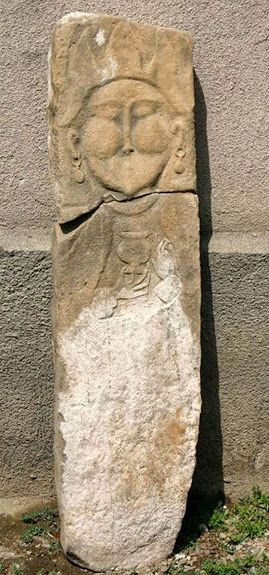


10 Mart 2016 Perşembe

Saka Queen Zarina


The romantic history of the Scythian queen Zarina, and the Median prince Stryangaeus is but little known, even among scholars: it is, nevertheless, too curious not the deserve a particular regard.


Reconstruction of a hat
Saka/Scyth - 5th c BC
Kurgan 3 of Khirovka (Bogdanovka) Kazakhstan


the Circumstances of this very ancient story are to be collected only from fragments of ancient historians. The principal, if not the only, soruce, is Ctesias, the Cnidian, who attended Cyrus, the son of Darius, in his expedition against his brother Artaxerxes, was taken prisoner by the Persian about 404 BC. And cultivated medicine and literature at the court of Artaxerxes for many years. He wrote copious histories of Persia and India, all of which are lost, except the substance of them contained in the cummary given by Photius, in Diodorus Siculus, Aelian, and one or two other authors. Diodorus has given a brief account of Queen Zarina; but fuller details are found in a fragment of the first book of the Universal History of Nicolaus Damascenus, the frien of Augustus and the preceptor of Herod the Great. The relics of this history have been published by Valesius and Orellius, from the extracts of Constantine Porphrogenetes. The queen is called by Nicolaus, Zarinaca, but his facts were probably drawn from Ctesias.

The authority of this ancient historian is questinoble. It is evident that he was relied upon by old writers, or at all events that his history was not considered fabulous. Modern authors, however, and Dr.Vincent amongst them, consider that his history is fable. Were we, indeed, to judge of his fidelity by what he has written of India, in the extracts which Photius has given, we should be tempted to teat him as a mere romancer....

... The scattered facts respecting the history of Queen Zarina have been brought together with great industry by M.Boivin, in a curious paper printed in the Memories de l'academie des inscription, & for 1736, in which he has illustrated the subject by a variety of historical notes. We shall select our facts from this paper, prefacing them with the following succinct account of Zarina, given by Diodorus.

"The Sacae were at this time ruled by a queen named Zarina, a woman of very warlike habits, who far excelled all the Sacian women in valour and in the administration of affairs. This people were remarkable for the masculine character of their women, who participated with the men the perils of war. In beauty, moreover, Zarina transcended all her contemporaries, as well as in wisdom and resolution. She subdued the neighbouring barbarians in battle, who had attacked the Sacae, and had endeavoured to reduce them to servitude. She extended cultivation over the country; she built many cities, and rendered her people much happier. Wherefore, on her death, they testified their grateful sense of the benefits she had conferred upon them by erecting a magnificent tomb, far more so than that of former princes, with a triangular pyramid at each angle, of which each side was three stadia in lenght, and the height was one stadium. A colossal statue (of gold according to some copies) was placed upon the summit of the tomb."

Amongst the Scythian tribes, women seem to have possessed an extraordinary degree of power in the direction of public affairs. The history of Tomyris, queen of the Massagetae, and her contest with Cyrus 529 BC, is well known. We find in the relics of Ctesias, given by Photius, an account of another queen of the Sacae, who seems to have almost realized a gynocracy. He says: "Ctesias relates that Cyrus made war on the Sacae, and took prisoner their king. Amorges, the husband of Queen Sparethra, who as soon as she heard that her husband was taken, collected an army, and advanced against Cyrus with three hundred men and two hundred thousand women, vanquished him, and took prisoners, with many others, Parmises the brother of Amyntius, and his three children. Whereupon Amorges was set at liberty in exchange for them."

The victory of Cyrus over this prince seems to have gained by a ruse, according to the account given by Strabo, who says, that Cyrus was defeated by the Sacae and obliged to fly; at some distance he left his tents standing, and all his baggage, giving the enemy, when they came up, reason to think he had deserted them; the Sacae finding abundance of provisions, and above all, wine in the camp, stupefied themselves with these good things, so that, on Cyrus coming suddenly upon them, they could make no resistance.

To proceed, however, to the history of Queen Zarina and her lover, in the memoir of M.Boivin, who prefaces his account by observing that "the subject seems expressly adapted for the theme of a tragedy. The chief personages are royal and heroes of antiquity. The example of a lover killing himself on receiving a refusal is a singular circumstance, as rare in fact as it is common in the lips of vulgar lovers. But especially the heroic sentiments of Queen Zarina, herself deeply in love, have something so admirable in them, that they might inspire not only philosophers but even Christians with envy. It is impossible to hear a Sacide princess - a Scythian - reason with so much good sense, understanding, refinement, and virtue, without beingashamed of ourselves, and of our weaknesses."

The event which we are to relate took place in the reign of Cyaxares, the king of the Medes, son and successor of Phraortes, who reigned between the years 634-594 BC. Previous to this period the Scythians had exerted a powerful sway in the East. Herodotus says that the Scythians, under their king Madyas, in expelling the Cimmerians, precipitated themselves in vast numbers into this part of Asia; that they wrested Media from Cyaxares, and were for twenty-eight years absolute masters of Asia, which they lost by their negligence and violence. Cyaxares became their tributary till the year 606 BC, when he recovered his kingdom. During his war with Zarina queen of the Sacae, which lasted two years, Cyaxares took into pay a troop of Scythian archers, who had been driven from their own country, and whom he employed in teaching the young Median nobles the use of the bow, and also in procuring him game for his table. Being angry with these archers because they did not provide him with venison on a certain day, they resented it by an act of cruelty upon one of the nobles, their disciples, and fled into Lydia, to Alyattes, which of Croesus, which occasioned a war between Cyaxares and Alyattes, which Cyaxares conducted in person, leaving the management of the campaing in Parthia against Zarina, to his son-in-law Stryangaeus.

Cyaxares, called also by Ctesias in Diodorus, Astybaras, and who is supposed by some to be the ahasuerus of Scrpiture, had one son, Astyages, who succeeded him, and two daughters, women of great beauty, and renowned for their understanding and various accomplishments. One of them, named Rheteae, he had given to Stryangeaus, one of the bravest, most handsome, and accomplished princes in the East. The other daughter was the celebrated Nitocris, who was eventually married to Nabuchodonosor the Great, according to Herodotus and Josephus.

The manner in which Cyaxares recovered his independence from the Scythians is related by Herodotus as follows. He prepared a sumptuous banquet, to which he invited the king of the Sacae and his principal nobles, who soon, as was their custom, became intoxicated, and were easily massacred. The kingdom of the Sacae, after the death of Marmares, the king, devolved to Zarina or Zarinaea, who was joined by the Parhians, these people having revolted against Cyaxares, and surrendered their capital and provinces to the queen of the Sacae. A war of two years, as before stated, took place, very sanguinary in its events.

The valour of the respective chieftains, the queen on the one side, and prince Stryangaeus on the other, inspired them with mutual esteem for each other; and being of different sexes, and their personal accomplishments se engaging, esteem changed into secret love, and whilst the two armies were furiously engaging each other, the commanders were cherishing a more delicate passion than glory, and as the French author expresses it, "it was a contest who should conquer in the heart as well as in the field."

In this extraordinary state of things, a decisive battle took place, and Stryangaeus, in a personal conflict with his mistress and antagonist, struck the queen from her horse. It appears that these warlike ladies fought on horseback in armour like men.

"The prince" says our gallant author, "was more afraid of dying than she was, and more ashamed of being the conqueror than she of being conquered. He gave the queen her life, at the same time that he implored his own from her eyes; and far from tearing her heart away, he offered her his own." The prince made other proffers of a less complimentary but of a more substantial kind. He offered peace, with every advantage the queen could desire, and the guarantee of all her possessions, excepting Parthia, which belonged to Cyaxares, and had been the sole occasion of the war. The terms were agreed to and the contest was at an end. Diodorus, who reports the result, contest himself with saying, that "the Parthians returned to the dominion of the Medes, and each party remained in possession of their former territory." M.Boivin expresses it thus: "with these conditions, a perpetual alliance was sworn between the Medes and the Sacae, and one more sincere still between their two chiefs."

On the conclusion of peace, entire confidence took place between the two lovers. The Median prince solicited permission to pay a visit to the queen in her capital, called Rhoxonace. Zarina, too happy at the request, invited him to come there with his whole army.

The queen set off for Rhoxonace in order to make preparations for the reception of her congueror and slave. Meantime the prince was bitterly regretting his lot in being the son-in-law of Cyaxares, which prevented him from offering an undivided heart to the queen of the Sacae.

Zarina advanced to meet the prince at some distance from the city. She made no scruple to reveal her love for him even in public. As soon as she perceived him, she descended from her carriage, and ran to meet him on foot, saluted him, kissed him on the cheek, and ascended the prince's car. She spoke to him with the utmost tenderness, complimenting him in the most polished terms on his heroism; and in this manner they entered the capital of the Sacae, the people lining the way wtih the loudest demonstrations of applause, till they reached the palace, where Stryangaeus was lodged in the handsomest apartment. The Median army was most hospitably treated.

When the prince retired, after the banquet which the queen had prepared for him, he found that he was mastered by his passion, and he imparted it to the most trusty eunuch of his suite, who advised him to reveal it to Zarina. He did so. She received him graciously. He hesitated for a long time, he sighed he changed colour, at length he grew bolder, and declared that he was dying for love of her. The reply of the queen is thus given by Nicolaus Damascenus:

"The queen refused him with great politeness, pointing out to him the disgrace and prejudice which such an act would occasion to her, and which would be even still more disgraceful and injurious to him, inasmuch as he was the husband of Rhetaea, the daughter of Astybaras (Cyaxares), who was reputed to be more beautiful not only than herself, but than other famous beauties. She told him that he must learn to contend with these mental enemies, as well as with those he met with in the field of battle; she desired him to converse on some other topic, and assured him that she would deny him nothing consistent with her own honour."

After she had thus spoken, the prince remained silent for some time. He then took his leave, with a kiss, and retired. But when he was alone, he found his passion more powerful than before. He became utterly dejected, lameting in sorrowful terms, in the presence of his faithful eunuch, his hard fate. At length he wrote a letter to Zarina, which he entrusted to the eunuch, with directions to carry it to the queen when he was dead, and before any one knew of the fact. The letter was as follows:


Stryangeaus to Zarina

"I saved your life, and am the cause of all the happiness you now enjoy; but uou, alas! have destroyed me: you have robbed me of the power of enjoyment. If you are justified in thus using me, may every good attend you, and may you live happily! But if not, if you ought not thus to have treated me, may you fall into the same misery as I have, for you it is who have inspired me with the resolution of doing what I am about to do! "

Having written this letter, he placed it under his pillow, and demanding his dagger, he - plunged it into his heart, it is presumed, for here, unfortunately, the manuscript of Porphyrogenetes ends.

Dionysius of Halicarnassus and John Tzetzes refer to this remarkable event, which both of them state they borrowed from Ctesias; but they add nothing to the aforegoing particulars. Dionysius says, very unromantically, that there was a certain Mede, named Stryaglicus, who, having struck a Sacide woman from her horse, observed she was very pretty and attractive, and grave her liberty. Afterwards, when peace was made, he fell in love with her, but being refused, he killed himself, having previously written a letter of reproach, saying, "I saved your life, and it is through me that you are living, yet it is through you that I am dead."

As to Zarina,although we are not informed of the effect which the prince's suicide had upon her, we know, from the passage already cited from Diodorus Siculus, that she continued to reign in great splendour over her Sacae.

The Asiatic Journal and Monthly Register for British and Foreign India 
Vol III , 1830


!!!


32 1 Since the earliest writers of history are at variance concerning the mighty empire of the Medes, we feel that it is incumbent upon those who would write the history of events with a love for truth to set forth side by side the different accounts of the historians. 


2 Now Herodotus, who lived in the time of Xerxes, gives this account: After the Assyrians had ruled Asia for five hundred years they were conquered by the Medes, and thereafter no king arose for many generations to lay claim to supreme power, but the city-states, enjoying a regimen of their own, were administered in a democratic fashion; finally, however, after many years a man distinguished for his justice, named Cyaxares, was chosen king among the Medes. 


3 He was the first to try to attach to himself the neighbouring peoples and became for the Medes the founder of their universal empire; and after him his descendants extended the kingdom by continually adding a great deal of the adjoining country, until the reign of Astyages worth was conquered by Cyrus and the Persians. We have for the present given only the most important of these events in summary and shall later give a detailed account of them one by one when we come to the periods in which they fall; for it was in the second year of the Seventeenth Olympiad, according to Herodotus, that Cyaxares was chosen king by the Medes.


4 Ctesias of Cnidus, on the other hand, lived during the time when Cyrus made his expedition against Artaxerxes his brother, and having been made prisoner and then retained by Artaxerxes because of his medical knowledge, he enjoyed a position of honour with him for seventeen years. Now Ctesias says that from the royal records, in which the Persians in accordance with a certain law of theirs kept an account of their ancient affairs, he carefully investigated the facts about each king, and when he had composed his history he published it to the Greeks. 


5 This, then, is his account: After the destruction of the Assyrian Empire the Medes were the chief power in Asia under their king Arbaces, who conquered Sardanapallus, as has been told before. 


6 And when he had reigned twenty-eight years his son Maudaces succeeded to the throne and reigned over Asia fifty years. After him Sosarmus ruled for thirty years, Artycas for fifty, the king known as Arbianes for twenty-two, and Artaeus for forty years.


33 1 During the reign of Artaeus a great war broke out between the Medes and the Cadusii, for the following reasons. Parsondes, a Persian, a man renowned for his valour and intelligence and every other virtue, was both a friend of the king's and the most influential of the members of the royal council. 


2 Feeling himself aggrieved by the king in a certain decision, he fled with three thousand foot-soldiers and a thousand horsemen to the Cadusii, to one of whom, the most influential man in those parts, he had given his sister in marriage. 


3 And now that he had become a rebel, he persuaded the entire people to vindicate their freedom and was chosen general because of his Severus. Then, learning that a great force was being gathered against him, he armed the whole nation of the Cadusii and pitched his camp before the passes leading into the country, having a force of no less than two hundred thousand men all told. 


4 And although the king Artaeus advanced against him with eight hundred thousand soldiers, Parsondes defeated him in battle and slew more than fifty thousand of his followers, and drove the rest of the army out of the country of the Cadusii. And for this exploit he was so admired by the people of the land that he was chosen king, and he plundered Media without ceasing and laid waste every district of the country. 


5 And after he had attained great fame and was about to die of old age, he called to his side his successor to the throne and required of him an oath that the Cadusii should never put an end to their enmity towards the Medes, adding that, if peace were ever made with them, it meant the destruction of his line and of the whole race of the Cadusii. 


6 These, then, were the reasons why the Cadusii were always inveterate enemies of the Medes, and had never been subjected to the Median kings up to the time when Cyrus transferred the Empire of the Medes to the Persians.


34 1 After the death of Artaeus, Ctesias continues, Artynes ruled over the Medes for twenty-two years, and Astibaras for forty. During the reign of the latter the Parthians revolted from the Medes and entrusted both their country and their city to the hands of the Sacae. 


2 This led to a war between the Sacae and the Medes, which lasted many years, and after no small number of battles and the loss of many lives on both sides, they finally agreed to peace on the following terms, that the Parthians should be subject to the Medes, but that both peoples should retain their former possessions and be friends and allies for ever.


3 At that time the Sacae were ruled by a woman named Zarina, who was devoted to warfare and was in daring and efficiency by far the foremost of the women of the Sacae. Now this people, in general, have courageous women who share with their husbands the dangers of war, but she, it is said, was the most conspicuous of them all for her beauty and remarkable as well in respect to both her designs and whatever she undertook. 


4 For she subdued such of the neighbouring barbarian peoples as had become proud because of their boldness and were trying to enslave the people of the Sacae, and into much of her own realm she introduced civilized life, founded not a few cities, and, in a word, made the life of her people happier. 


5 Consequently her countrymen after her death, in gratitude for her benefactions and in remembrance of her virtues, built her a tomb which was far the largest of any in their land; for they erected a triangular pyramid, making the length of each side three stades and the height one stade, and bringing it to a point at the top; and on the tomb they also placed a colossal gilded statue of her and accorded her the honours belonging to heroes, and all the other honours they bestowed upon her were more magnificent than those which had fallen to the lot of her ancestors.


6 When, Ctesias continues, Astibaras, the king of the Medes, died of old age in Ecbatana, his son Aspandas, whom the Greeks call Astyages, succeeded to the throne. And when he had been defeated by Cyrus the Persian, the kingdom passed to the Persians. Of them we shall give a detailed and exact account at the proper time.


7 Concerning the kingdoms of the Assyrians and of the Medes, and concerning the disagreement in the accounts of the historians, we consider that enough has been said; now we shall discuss India and then, in turn, recount the legends of that land.


DIODORUS SICULUS 
LIBRARY OF HISTORY


Scythian-Saka are the same... link


Hat - Saka - Altai