scotland etiketine sahip kayıtlar gösteriliyor. Tüm kayıtları göster

27 Ekim 2020 Salı

Longobardlar, Gothlar ve İskoçlar


Longobard = Uzun Sakallı > Lombard'a dönüşüyor.


Lombardların MS 643'ten önce yazılı yasaları yoktur. Atalarının "yazılı olmayan gelenek ve kültürü" yaşlıların hatıratlarından MS 7.yy'dan sonra yazıya geçirilir.

Longobardlar (Uzun Sakallı) < Winniller, bir İskandinav kabilesi.
Doğum destanı; Origo Gentis Langobardorum.

* 7.yy'da ad değiştiren kabileler...
* 7.yy'da yazıya geçirilen anane...
* 7.yy'dan önce yazısı olmayan kabileler...


Türk boyları da zaman içinde farklı adlarla tarih sahnesinde yerini almıştı. Ancak Batılı onları Türk olarak görmez, ama iş kendilerine geldi mi, "Grek", "Roma", "Germen" ya da "Kelt" der ve tek çatı altında toplar. Sadece Avrupa'daki Türkleri tek çatı altında toplasak; Kimmer, İskit, Gelon, Agathirsi, Goth, Hun, Avar, Hazar, Kabaroy (daha sonra Macarlara katılırlar), ya da Kıpçak-Kuman, Peçenek, Bulgar, Çuvaş, Kırım, Gagauz, Osmanlı (tabi bir de bunların alt grupları var) gibi, hepsinin soyadı Türk dediğimizde Batılıların dudakları uçuklar, hatta bayılan falan da olabilir 😃


Ostrogotların kralı Büyük Theodorik (454-526)
Babası: Theodemir
Amcaları:  Balamir ve Bidemir
Kişilerin Türk olup olmamasını tartışmayacağım, olabilir olmayabilir de. Ancak Amal kardeşlerin adları Türkçe !...

Bana bir masal anlat, ancak içinde dürüstlük olsun...
SB


ENG:
Theodoric the Great (Flavius Theodoricus, 454-526)
King of the Ostrogoths
Father : Theodemir
Uncles : Valamir and Vidimir
I will not discuss whether these individuals are Turks or not. However, the names of the Amal brothers are Turkish of origin, and still in use as male or surname among Turks;
(theo) DEMİR - BALAMİR - [vidimir=bidemir (b/v)]

So, you can not write history without Turks or Turkish.
And tell me a story, but have honesty in it...
SB


Sezar ve Tacitus döneminden sonra Germen sözü genelleşiyor. Franklar Allemani derken, topluluklar kendilerine Longobard (Lombard), Goth, Vandal, Frisian, Kelt diyordu ama Germen demiyordu. Kayıtlı en erken Germenik dili ise 4.yy'da, Gothların Ulfila incilidir ki orada bile Türkçe kökenli olan ve Tanrı sözüne karşılık (ki baba dediklerini hepimiz biliyoruz) Ata sözünü kullanıyorlar. Türkçe özel isimleri var; Tulga gibi... Gothların çıktığı bölge İskitlerin ülkesiydi. Eski İngilizce ya da eski Almanca dedikleri dil ise 8.yy'dan başlar. Slavların tarih sahnesine çıkışı ise 6.yy'dır. Pliny ve Tacitus Venedileri Slavların atası olarak kaydetmiş, ancak Venedi Slavca değil. Ancak Germenler daha sonra Venedi sözünü Wends olarak değiştirdiklerinde Slavları kastetmişler. Yani kabile isimleri farklı diğer kabilelerde farklı "etnik" olarak kaydediliyor. Herkes kendine göre bir isim yapıştırmış, ki bu kabilelerin kendi kendilerini andıkları isim tarih içinde kaybolmuş. Gothların arasında İskitler, Sarmatlar, Hunlar var ki onlardan önce bölgede yaşamış olan Kimmerleri unutmamak gerek.

Ayrıca, German kabilleri olarak tanımlanan topluluğun, kendisine German dediğine dair bir kanıt olmadığı gibi, kelimenin dillerinde anlamı da yoktur. Bazı Kimmer ve İskit kabileleri de German/Germen olarak kaydedilmiş. Aralarında mutlaka Keltler de var, yani Germen dedikleri aslında karışık, hepsi "Hint-Avrupalı" değil, ama asimile olmuş. Atilla döneminde bile İskit ve Germen kabileleri karışmıştı.


This is not a "beast" as the Westerner scholars named it,
This is a "Wolf-Dragon", and to be seen in every Turkish art.


Bana bir masal anlat, ancak içinde dürüstlük olsun...
Tell me a story, but, with honesty in it...


26 Kasım 2017 Pazar

İngiltere'deki Tamar Nehri


"Gök girsin kızıl çıksın"


İngiltere'de Tamar Nehri...
Etymology of TAMAR is Turkish; İron Ore


Tamar Vadisi'nde Bakır Madeni var ki Avustralya'da da Tamar nehri vardır. Demir dahil zengin maden yataklarıyla ünlüdür, hatta tarihi madencilik faaliyetleri nedeniyle Dünya Miras Alanı olarak tescillenmiştir....

Bizimki ise Moğolistan'da Tamir (Тамир) Nehri'dir ve evet o bölge de önemli bir demir yatağıdır.


Tamar - Temir - Tamir - Timur - Demir
Tamar - Damar - Maden damarları, demir cevheri
Tamar - Tomur - Tomruk - Tomris - Filiz
Tamar - Tamara - Aktamar
Tomris - Demirin ucu, demirin sesi, demirin özü, demirin filizi
Tamar - Şamar, demir dövmek, şekil vermek
Tumrul - Dumrul, demirin ucu
Tomar - Örs
Tamar - Tamare - Tamaris - Tomris


Yani, Alp Er Tunga'nın torunu olan ve Büyük Darius'u yenen "Büyük Sakalar"dan Massagetler'in Ecesi Tomris de, Gürcülere gelin giden Kıpçak Kraliçe Tamara da bizim...


*Kurt-Ejder, Kayseri Tuzhisar Sultan Han (The Great Kervansaray) Selçuklu Sultanı I. Alaeddin Keykubat dönemi 
1232-1236 tarihleri arasında yaptırılmıştır.
* Pazırık Kurganından atlarla beraber çıkan at başlıkları, MÖ 5.yy-4.yy
* Kelermes Kurganı, Baltadan detay, MÖ 7.yy, Kimmer/İskit
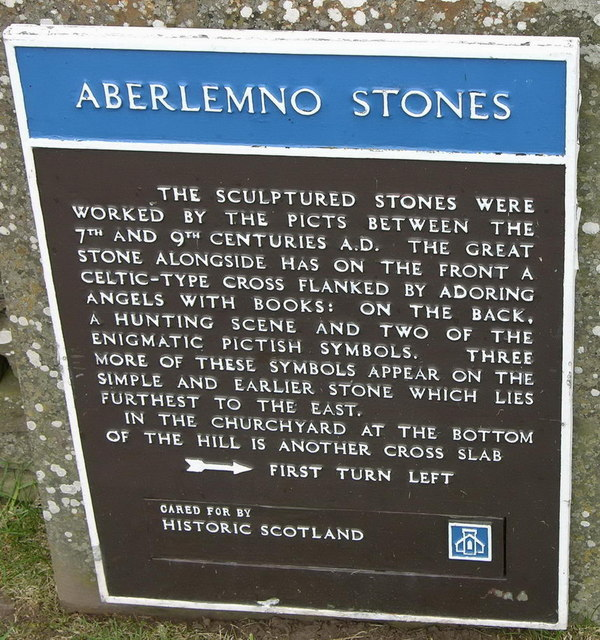
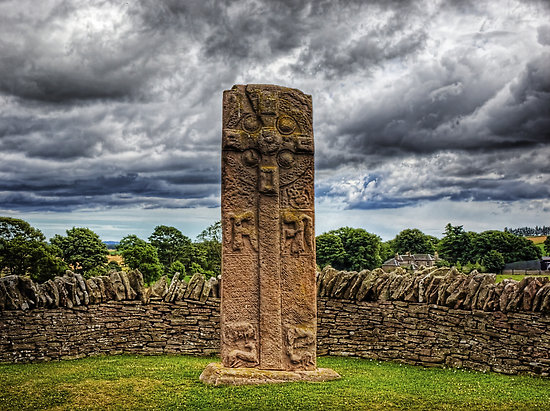
ve solda: "Pictic Stones" dedikleri Pictlere ait Taş Anıt, MS 800 - İskoçya


İskoçya'yı şekillendiren Pictler, Avrupa İskitleri, yani batılıların Royal Scythians dedikleri Saka Oğuzları vasıtasıyla Türklerle akrabadır. (kesin konuştum demi?..) Sanatın birebir benzerliği tesadüf değildir, özellikle de, 3500 yıllık Türk pantalonun üzerindeki tamganın, kazılarla çıkarılmadan önce, Anadolu'da da görülmesi ve aynısının Pict anıt taşlarının birinde de olması, tesadüfü ortadan kaldırıyor... Bu kültürü, Türkler devam ettiriyorsa, İskitlerin mirasçısı olarak tanınmayı da hak ediyorlar.. Ve bu konu bir akademik makaleyi de hak ediyor, çünkü batılıların Pict kültürünü Türk kültüründe aramayacağını da biliyorum .. Benden söylemesi ;)
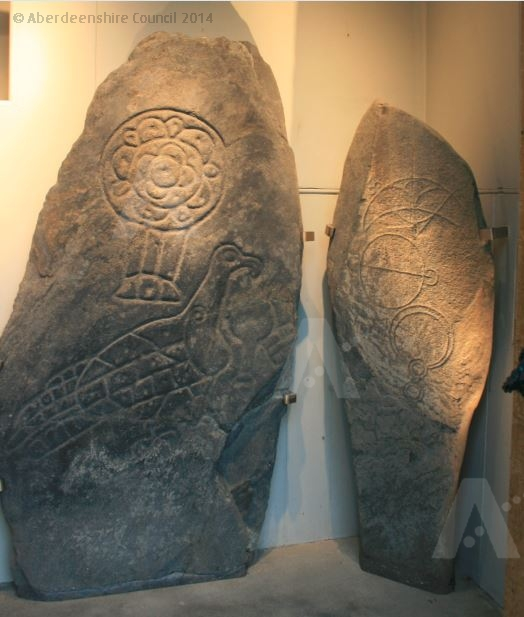

SB.

ilgili:


9 Nisan 2017 Pazar

Türk Tamgası; Turkish Mark


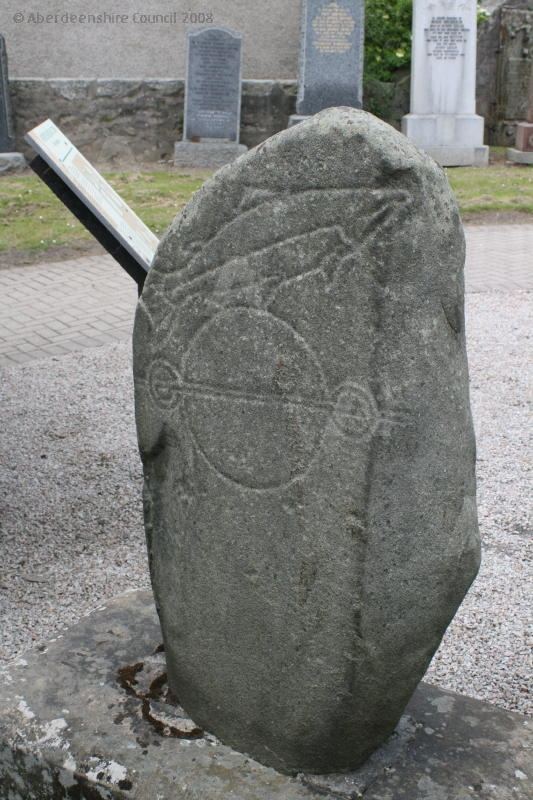
Pict - Aberlemno II taşından detay, MS 8.yy, İskoçya
Türk - Pantolon'dan detay, MÖ 1500, Doğu Türkistan


İskoçlar bu tamgayı hiç kullandılar mı?...
Does the Scottish people ever use this mark?
Türkler ise bu tamgayı hep (Anadolu'da) kullandılar, hem de pantalon bulunmadan önce.... Kültürel Hafıza...
But the Turks, does use, always (Turkey), this mark, even before the pants was found... Culturel Memory... 
(read the article of Dr.Mustafa Aksoy  with photos of this mark in Turkey+ his web page)


Aberlemno II - MS 8.yy (8th c AD), İskoçya (Scotland)
İskit - MÖ 4.yy Altın aplike, Orta Asya?
Scythian gold applique 4th c BC, Central Asia?
Niksar Çöreğibüyük Cami - 14.yy (14th c), Tokat/Türkiye


Niksar Çöreğibüyük (Yüreğibüyük) 14.yy - Aberlemno 8.yy ile benzer diğer betimlemeler de gözden kaçmıyor tabi....


Kün-Ay (Sun - Moon)
Pictic Stone, Class 1, 6th-8th c AD, class I have no cross. With "Sun-Moon(crescent)"


Pictish, class III, 9th-10th c AD
There are warriors with (+) symbols on their shoulders, and beneath them are two Wolf-Dragon with long tongues.
Turkish, 11th-12th c AD
Wolf-Dragon represents the "Time" and the person who holds the tongues controls the time,  (+) symbol represents the "God" which is called Tengri. (an other Turkish Art-Wolf-Dragon)


 for; Pazyryk - Unicorn - Symbols


Pictish painted pebbles, 1000 AD, Scotland
Khakassia Turks, 3000-2000 BC Petroglyph: A Shaman!(Kam in Turkish) with "The Seven Ancestor" and Tengri (God) symbol (+)


 PİCTS ( Pictler=Dövmeli):
* "Hint-Avrupalı veya Aryan değildir" Prof.Sayce

* "Bede Pictlerin İrlanda'ya İskitia'dan geldiğini belirtir... görülüyor ki Pictler Kelt-İskit karışımı... Kimmerler ile karışmış..."
["Bede states that the Picts came to Ireland from Scythia..it appears that the Picts were Celto-Scythians..mixed with Cimbrians.." - John O'Hart (Irish Pedigrees; or The Orgin and stem of the Irish Nation:book)]

Scythian-Cimbrians (Cimmerian) Turks
İskoçya- Pictlerin Ülkesi (Pictland)

Kinadius, Alpinus'un oğlu, İskoçların ilk kralı, 16 yıl boyunca varlık, refah içinde hüküm sürdü. Pictland Pictlere ithafen anıldı, söylediğimiz gibi, Kinadius yok etti."

["So Kinadius son of Alpinus, first of the Scots, ruled this Pictland prosperously for 16 years. Pictland was named after the Picts, whom, as we have said, Kinadius destroyed." 
( The History of Scotland, cilt 1: book]


"Alpin Evi" (House of Alpin)
ALP = Köken Türkçe
(ALP; etymology-origin is Turkish; brave, fearless, young warrior)

CLAN = Köken Türkçe, Oğlan kelimesinden Clan'a (Kabile)
Oghlan-Oğlan-Oglan-Glan-Clan
Etymology Turkish ; Oghlan (boy)- Oglan-Glan-Clan


EK:
Aberlemno MS 8.yy - Kelermes MÖ 7.yy - Perseus ve Medusa MÖ 7.yy / link
Virgil Aeneas'ta Ağaçeriler "Pictique" yani dövmeli / link
Kelts/Celts; etymology of this word is Turkish : root word "KEL" means "come" /link
Tengri Symbol among Cimmerians-Scythians and Hungarians

in the 7th-9th century of England, English nation was not yet formed...While the Turks erected the Orkhun Monuments...
"History without or within the Turks? " /link

TURKS... TÜRKLER

19 Aralık 2015 Cumartesi

History without or within the Turks?


The Picts are non-aryan ; non-celtic. The stones of Picts are between 500-800 AD. We do know that the Cimmerians and Scythians lived in Europe, even when their chief was dead. Then comes the Hun and Avar Turks, they mixed with the European people. If we look in those symbols of the Pict stones, we can clearly see the Scythian Style, and there is no doubt of that the Scythians are Turkish people. That's why we see common carvings between the Turks and Europeans, just because of that. What the west scholars don't know/don't wanna know is, that these stones, and the people, have connecting with the Scythian Turks and Hun Turks. Scyth and Scoth comes from the same origin.

Albania, Scotlands earlier name, comes from Alban Turks, who lived in the Caucasian, Strabon says, it is geographical name of the lands. Brutus had 3 sons, Locrinus-England, Albion-Scotland, Kamber-Wales; Brutus had Etruscan ancestor, Etruscan's comes from Troy. In england there is a river called Tamar, Tamar is Turkish, İron, or like Tomyris a Saka Turkish Queen, granddaughter of Alp Er Tonga/Afrasiyab, which we see in Egypt Tamarisk, or in Ukraine, Tomi city. Or, Kent - Kingdom, founded in Britain by the Jutes - Kent is in Turkish kent, meaning, like the cities, Tashkent, Chymkent. So, when it comes to the Turkish history/culture, they ignore, nothing is what it seems....

Scandinavians called Futhark, which was recruited from Scythian Turkish alphabet, some of these Futhark stones are to be read in Turkish. Odin and his people are Turkish of origin.

The same thing is between the Romans and Etruscan, Etruscans are Turkish people, Etruscan can be read in old-Turkish.

Dacians, a branch of Scythian/Saka Turks in Europe used Wolf standard, Wolf is to be seen in Troy-Dolon, Scythian standard, Gokturks Asena+standard, one of the chief of Etruscan is called r'Asena, Lukkia (Lycia) Leto a Shewolf, Shaman, Native Americans in wolf skins+warriors; all of them is Turkish culture, (Mongolians have that to, but they was never in BC times in these regions.) Shewolf is Turkish of origin. Why did I bring this, some of these Turkish Culture is only forwarded by the people who have Turkish origin, not all the Europeans used these culture.

We see in Egypt Scythian Turks, with wars the chief, the leader is dead, some of his people stayed, some went to other places. So....mixed. Only the Kipchak Turks have 22 different names in history, who knows that? Who knows that the Mamluks are Kipchak Turks? Or Safavids Turks? They call Safavids İranian, bullshit...İranian are called since 1925, before that it was always Turkish Dynasties, who ruled İranian lands.

Huns, Kipchaks, Pechenegs, Cumans, Avars, Alans, mixed with Europeans people and assimilated between them and the church.

Suvar/Subar/Sabir Turks, name father of Siberia, ancestors of Cimmerians, Bulgarians and Chuvashians. Cimmerians ancestors of Huns, Scythians-Parthians-Saka, all of them are the ancestor of today's Turks, all over the world.

Steppes of Russia full of Scythian, Kipchak, Cuman and Pecheneg Turks.
In Ukraine Scythians, assimilated between the Slavs.
And that brings us to Turks in BC times in Anatolia
Troy was a Turkish city, the war was between the Turks and Hellens
Today the world knows as Greek mythology, but this mythology was born in Mesopotamia and Anatolia, and of course the Turks introduced to the rest of the world. Beowulf, İliad and Dede Korkud comes from one origin.
Of course there are more examples....

And I condemn western scholars who ignore it. Nobody and non of the other nations, can write the history without the Turks. And when I say Turks, I mean all the Turks around the world.
I'm not racist, I'm not a fanatic, but I can not afford your ignore to us. When you call Greek history/Culture, Roman history culture is okay, but when it comes to Turkish ...!

Do not call with other names, as Persian, Greek or something else!...
Do not call as Nomad Culture, Nomads who built a huge culture and states!....
Do not call as İslamic Art, İslamic art contains also other nations who is muslim...
It is Turkish history, Turkish Art, Turkish Culture.
It's time to tell the Truth to the World.
Regards,
SB.
(I hope my English was enough to explain myself)


Balka Sukhoy RUSSİA - KELERMES
SCYTHİAN TURKS - 7TH-6TH BC  

SCOTLAND - ABERLEMNO STONE
THE PİCTS - 7TH-8TH AD
source: link / link / link / link / link


Rodney's Stone: Pictish Period
500-800 AD
Two Dragon-Wolf, like in the Turkish culture.
It is not a Elephant (so did they explain it), 
but a Horse with Horn-Mask
and of course the symbol, we see also in Scythian/Saka art, 
which dated back in BC times.

Pazyryk - Horse Horn-Mask 500 BC
Scotland - Horse Horn-Mask 200 BC
Cimmerian/Scythian Warriors on vase 5th BC with İbex camouflaged Horses - Horn-Mask 
(by the way, born of the Unicorn legend)

Khakassia - Kırgız/Turkish Culture

Early Scandinavian 5th c AD, Denmark
Erken İskandinav, MS.5.yüzyıl - Danimarka

Al-Jazari's work, Doorknop of Ulucami (Grand Mosque) 
Artiquid Turks period 12th c
Cizre Ulucami Kapı Tokmağı, 12.yy Türk-Artuklu


Deer Stone - 6th c BC - Chinge-Tey I / TUVA
Saka/Scythian-Turkish Culture
and
So-called "orthodox" inscriptions, 4th to 6th centuries), and later the Old Irish language 
(so-called scholastic ogham, 6th to 9th centuries)
link for the Deerstone:  and Ogham:


Balbal-Geyikli Taş'ın Dört Yüzü - Tannu Ola /Tuva
Turkish Balbal/Deer Stone with four side - Tannu Ola / Tuva Rep.

"Vertically mounted stone steles in the churchyard, solitary stelae with tamgas and deer stones were found in 10 points. Most of them are reused in the construction of the memorial complex of ancient Turkic time. Two deer stones knocked Ancient masks." 
Exploration on the southern slopes of the Tannu-Ola.1981 
google translate from Russian lang.

Aynısı Kybarev'in Taşbabalar Kataloğu'nda da var (53 nolu resim) - 2013, Resimli-Rusca:
Also in Kubarev's Book "Turkish Tashbaba (Stonefather)" "Catalog-2013". 


Irish Pedigrees; or, The origin and stem of the Irish nation
John O'Hart. J. Duffy and Company, 1892 - Ireland.


KİMMER / İSKİT / HUN kavimleri bir çok yöne dağıldı. Kimisi doğuya, kimisi batıya gitti, işte o batıya gidenlere PİCT dediler. 

Yoksa neden, antik İskoçya'da yaşamış PİCT'lerin kültürü Kimmer/İskit'e benzesin? Pazırık'tan çıkan teke boynuzlu at-başlık-zırhı ile İskoçya'da bulunmuş teke boynuzlu at-başlık-zırhı, ya da Pazırık halısındaki Eyer'deki motif ile Pict Aberlemno Taşı üzerindeki motif, ya da Kimmer/İskit Kelermes ATADAM ile Pict Aberlemno Taşı'ndaki ATADAM nasıl aynı olabilirdi ki? Daha aydınlatılacak, açığa çıkartılacak o kadar çok şey var ki....

AGATHYRSES, yani AĞAÇERİ TÜRKLERİ
Iulus = ULUS


To see all of this, you have to look into the 
Turkish history and Culture as well.
SB.


5 Aralık 2014 Cuma

Oglan, Uhlan, Ulan, Clan, Oglach


Oglan, uhlan, ulan, clan.....


That is one of the most widespread Türkic words, recorded as far back as the alphabet writing is in existence, and spread as wide as the black plague in the Middle Ages.


Meaning: The Türkic "son" and its derivatives "offspring, youth, young man, hero, strongman, warrior, rider, cavalryman, militiaman, descendant, clan of descendants, clan, family, stock, and possibly hundreds more semantic derivatives in a number of linguistic families.


The direction of the borrowing can't be questioned, first because in the borrower linguistic families the Türkic word was adopted by some members of the family and not by the others, secondly because all the borrowers were neighboring the Türkic-speaking areal, but not necessarily each other, like for example British Isles and China or Scotland and Korea, and thirdly because within the Türkic-speaking areal all languages, including deviant Chuvash and Sakha, have this word with its prime meaning of "son".


The extant Dictionary definitions of ulan/uhlan/clan etc


1 n. - One of a certain description of militia among the Tatars. 


2 n. - One of a kind of light cavalry of Tataric origin, first introduced into European armies in Poland. They are armed with lances, pistols, and sabers, and are employed chiefly as skirmishers


3 n - "cavalryman," 1753, from Ger. Uhlan, from Pol. ulan "a lancer," from Turk. oghlan "a youth" 


İmparatorluk-Kraliyet Sınırkalesi Oğlanları! (süvarileri)
Imperial-Royal Landwehr Uhlans/Ulanen


4 n - c.1425, from Gael. clann "family, stock, offspring," akin to O.Ir. cland "offspring, tribe," both from L. (Smile, you are on Candid Camera!) planta "offshoot." Gaelic (Goidelic) Celtic had no initial p-, so it substituted k- or c- for L. p-. Clannish is first attested 1776. (The real Türkic source, or at least the Etruscan borrowing is not mentioned out of sheer modesty, or not to burden the tired reader with superfluous details, I guess)


5 n - A traditional social unit in the Scottish Highlands, consisting of a number of families claiming a common ancestor and following the same hereditary chieftain.


6 n - A division of a tribe tracing descent from a common ancestor.


7 n - A large group of relatives, friends, or associates. 


8 n - (From Dahl Russian Dictionary) (Tatar "son"?) (The question mark out of sheer Slavic modesty, I guess)


8.1 - Mounted soldier in tight clothes of special cut, with a spear with a badge or banner


8.2 - Lower commander of ten men, in mines or ore factories


8.3 - Khan's officials during Tatar rule (convoy, nukers?). Ulanian uniform: - cap - kolet, uniform - chikchirs, trousers. (Even encyclopedic Dahl can't write a definition without Türkic words presented as aboriginal Russian)


________

Old Irish oglach («young», «warrior», «servant»)  is a cognate of the Turkic oghlak («young», «boy»), a variant of the common Turkic oghlan.


The Celtic oglach is interpreted as the combination of og («young») and the suffix lach, forming abstract nouns .


The Turkic oghlak is known to be a derivative of the same ogho, ogh («young») and the noun forming suffix –lak in Turkic languages .


The element ogho, as an independent noun, has survived in the Yakut language in the words «young», «child». That language is known to be one of the old Turkic languages keeping old elements. 


Oghlak is a cognate of modern Turkic oghlan («boy»). Its phonetical variants uhlan, ulan («warrior», «cavalier») are used in modern European languages .


Chingiz Garasharly
The Turkic Civilization lost in the Mediterranean basin
BAKÜ 2011 - Professor, Doctor of Philological sciences 
Azarbaijan President Library e-book : 


"Sümerlerle, Hurrilerle, Hititlerle, İskitlerle, 
Peçeneklerle, Kıpçaklarla, Mayalarla, 
Kızılderililerle, Etrüsklerle 
aynı olmanın ötesinde 
Basklarda, Keltlerde 
hatta günümüz 
İngilizlerinde, Ruslarda ve Tuareglerde 
nasıl bir Türk vurgusu var, 
hem de genetik olarak, 
hiç düşündünüz mü?"

“ … dünya tarihine mührünü vurmuş bir milletin 
argogenetik hikayesidir..."

Osman Çataloluk
Türk'ün Genetik Tarihi.


18 Ağustos 2014 Pazartesi

İSKOÇYA - SCOTLAND ; ANIT TAŞLAR VE KURGANLAR


"I have proposed in a paper sent to the British Association in september 1885 a solution of the question of the Picts, which brings the Iberian relations of Britain more prominently forward. Those who have bestowed the most attention on the Picts-Dr.Skene, Professor Rhys, and Mr.Grant Allen- have come to the conclusion that they were NON-CELTIC and NON-ARYAN.

Beda, the contemporary of the Pictish kings, had informed us that a law of female succession prevailed. Dr.Skene found that of forty-two names about half belonged to the form Talargh, a quarter to Brude, and a quarter to Drust, and that no king succeeded his father. The kingly names are shown by me to be İberian. If an Iberian dynasty survived for a thousand years of our era, and within about four centuries of the rediscovery of America, a similar survival may have taken place in the New World. Talargh, Talargan, and its various forms I identify in Pictish in the paper for the British Association."


page 38

Hyde CLARK
Examination of the legend of Atlantis in reference to Protohistoric communication with America
Book


"People in the UK have Turkish ancestors that only date back 1,000 years"...link


"About 6,000 years ago Iberians developed ocean-going boats that enabled them to push up the Channel. Before they arrived, there were some human inhabitants of Britain but only a few thousand in number. These people were later subsumed into a larger Celtic tribe... The majority of people in the British Isles are actually descended from the Spanish."...link


Aberlemno I , also known as Serpent Stone


PICARDY STONE
When excavated in 1856 by Charles Dalrymple he found that the stone was set in a low cairn about 2m in diameter. Beneath the southern edge of the cairn, at a depth of circa 1.5m was a rectangular grave just over 2m long. The stone itself is a block of whinstone with veins of quartz, standing 1.98m high


Aberlemno II ya da Aberlemno Kirkyard
arka cephe


İskit Türklerin Geyik Taşlarına benzemesi


Aberlemno II ya da Aberlemno Kirkyard
Atlar


Bullion Pictish Stone.


Woodrae Pictish Slab


CAIRN O'MOUNT 1


RODNEY'S STONE


SUENO'S STONE, FORRES


INVERAVON PICTISH SYMBOL STONES


The Maiden stone is a slab of pink granite about 3.2m tall. 1,200 years old (c. 800AD)


Govan Old Church, Glasgow , 10.yy


Kaynaklar:


Castlerigg


DOLMENLER / TUMULUSLER / JADE TAŞI TURANİDİR


TAŞTAKİ TÜRKLER - SİBİRYA'DAN ANADOLU'YA 


ve Türk Kültürü'ne Örnekler


Moğolistan'da İskit Türk Geyik Taşı

Moğolistan'da Türk Kurganı