safevi etiketine sahip kayıtlar gösteriliyor. Tüm kayıtları göster

29 Aralık 2016 Perşembe

Akkoyunlu and Safavid Turks


Tomb of Zeynel Bey in Hasankeyf / Batman
son of Uzun Hasan, leader of Akkoyunlu Turkish Dynasty
Zeynel Bey died in 1473 Otlukbeli War (war with Sultan Mehmed II of Ottoman Turkish Empire), 
unfortunately a war among brotherhood. 


Akkoyunlu "White Sheep Turkoman" also called as Aqqoyunlu-Ak-Koyunlu. They are not Turkic, but TURK. 

The explanation of Turkic is written as: "The Turkic peoples are a collection of ethnic groups that live in central, eastern, northern, and western Asia as well as parts of eastern Europe. They speak languages belonging to the Turkic language family" in sources that's wrong. Especially "collection of ethnic groups", because they are TURK of ETHNİC, and not some strange ethnic group, and speak TURKISH. 

Do we seperate German and English people as ethnic? Yes! But they are in Germanic peoples category, but don't call them as Germanic, if we are talking about ethnic! Or do we seperate English language as "New York English" or as "London English"? NO! But English is in Germanic language family, do they understand each other when one speaks German and the other one French? :) No, they don't. But we do, so Turkish in Turkey and Turkish in Uyghur can not consider as a different language, but must considered as dialect!

Among us it is; Kazakh Turk (Kazak Türkü) , Uzbek Turk (Özbek Türkü), etc. and not like Kazakh Turkic, or Turkmen Turkic ... The world is confused about the tribe names, they think that the tribe names are different ethnic.

Aqqoyunlu (Ak=White, Koyun=Sheep, Turkoman=I am Turk) , Karaqoyunlu (Kara=Black, Sheep, also written as Qara Qoyunlu: and why changing with each writing the name?), Artuqid (Artuklu), Zengid, Safavid, Afsharid, Seljuk, Ottoman, Pecheneg, Kipchak, Mamluk, Avar, Hun, Khazar, Cuman, Oghuz, Turkmens, Uyghur, Gokturk, Nogai, Kazakh, Kyrgyz, Azerbaijani, Bashkir, Crimean Tatars, Qashqai, Yakut (Saha-Saka), Kumyk, Karachay, Gagauz, Tuvan, Uzbek, Karaite, Bulgar (before slavified), Atabegs, etc. and there are subgroups of these tribes with there clan or family names (example: Huns and Oghuzes have 24 tribes and many subgroups) but all of them are TURK of ETHNİC. And many of these Turkish Tribes live in Turkey, and that's why it is called only "Turks".

In Dutch they called as TURKSE VOLKEREN; the meaning is TURKISH PEOPLES, and that is one of the right expression. İnfo's like I showed above are deliberate mistakes, not to show the huge culture of Turkish people to the world. They do call also as "Islamic", but religion is spread among differend nations. You have in İslam art : Arabic Art, Persian Art, Malaysian Art, etc.... and you have of course Seljuk, Mamluk and Ottoman Art, but they are as İslamic represented!!! Somehow, determination of the political identity of the Turks is Islamic, or with false ethnic identity !... 

So the art and culture must be written first as "TURKİSH CULTURE AND ART", then with their period/dynasty name, and maybe with their tribal or clan name but not as Turkic. So can other peoples of the world understand in which ethnic they belong when we say; "Akkoyunlu, Turkish Art and Culture."

Regards,
SB.


Akkoyunlu Turks 15th c - Azerbaijan


An example: 
Metropolitan Museum : Search "Safavids" and look for the word "TURKS":


... "In the early sixteenth century, Iran was united under the rule of the Safavid dynasty (1501–1722), the greatest dynasty to emerge from Iran in the Islamic period. The Safavids descended from a long line of Sufi shaikhs who maintained their headquarters at Ardabil, in northwestern Iran. In their rise to power, they were supported by Turkman tribesmen known as the Qizilbash, or red heads, on account of their distinctive red caps. By 1501, Isma’il Safavi and his Qizilbash warriors wrested control of Azerbaijan from the Aq Quyunlu, and in the same year Isma’il was crowned in Tabriz as the first Safavid shah (r. 1501–24). Upon his accession, Shi’i Islam became the official religion of the new Safavid state, which as yet consisted only of Azerbaijan. But within ten years, all of Iran was brought under Safavid dominion. However, throughout the sixteenth century, two powerful neighbors, the Shaibanids to the east and the Ottomans to the west (both orthodox Sunni states), threatened the Safavid empire. In the arts, manuscript illustration was prominent in royal patronage. Isma’il’s son, Tahmasp (r. 1524–76), who had been trained in painting at an early age, was an active patron of the arts of the book. Artists from the Qara Quyunlu, Aq Quyunlu, and Timurid court studios were brought together and their work helped form a new Safavid style of painting".....

by Suzan Yalman, Department of Education, The Metropolitan Museum of Art, based on original work by Linda Komaroff , October 2002 (link)


Who the hell are Safavids, Qizilbash, Aq Aoyunlu, Qara Qoyunlu?.... Did she and the museum ever mention about TURKS, Turkish? Nothing , not a dame thing!... Safavids are Turks, a Turkish Dynasty. Uzun Hasan of Akkoyunlu is the ancestor of İsmail. 

"Turkman tribesmen known as the Qizilbash" : First it is Kızılbaş (do not change the name in Qizilbash) and second they are also Turks of ethnic, Turkman means "I am Turk". Also not Qara Qoyunlu but Karakoyunlu, and also TURK of ethnic. And you all call yourself a scholar and a respectable museum!! And some of you claims that Safavids are Persians!!! You all are just a piece of garbage!... 


"the Safavids was Turk, Turkic in their ethnic origins. And indead spoke Turkish as a language of daily life." Victoria Holbrook - Ohio State University / video


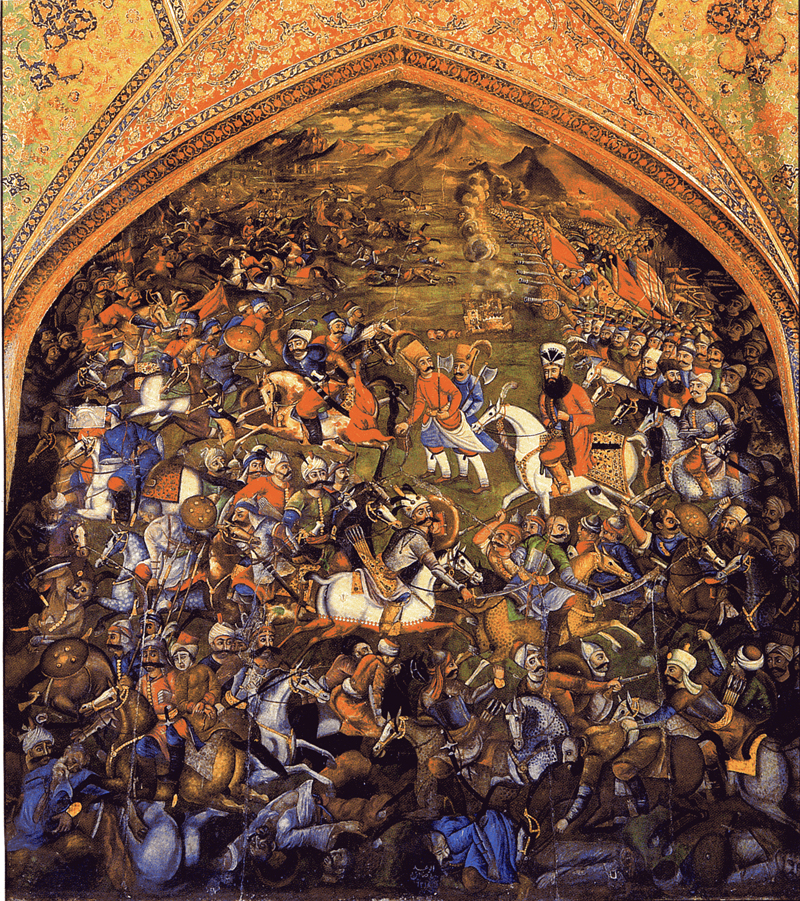
Battle of Chaldiran was also a brotherhood war, between the Ottoman Turks and Safavid Turks....




11 Temmuz 2015 Cumartesi

AKKOYUNLU TÜRK HANEDANLIĞI - WHiTESHEEP TURKiSH DYNASTY


White Sheeps Turks (Aq Qoyunlu) Uzun Hasan's son Zeynel Bey Tomb 
in Hasankeyf - Second half of the 15th century.


"dynasty of Ak-Koyunlu (White Sheep Turkoman) that ruled northwestern Iran and Anatolia in the fifteenth century." "Culture: Iranian" metmuseum info
Shame on you Metropoltian Museum! it is TURKiSH CULTURE


TURKOMAN MEANS "I AM TURK"
Kara Koyunlu (Black Sheep Turkomans) TURKiSH DYNASTY
even SAFAViD DYNASTY is TURKiSH
Shah İsmail I. is the son of Halima Begum, the daughter of Uzun Hasan of Akkoyunlu Dynasty
Battle of Chaldiran is a "BROTHER FiGHT" , between the Ottoman TURKS and Safavid TURKS.


Chaldiran Battle


Safavid Turkish Art


Safavid Turks
(compare with this)


Sırçalı Madrasa (Medrese) Museum
Built by the order of Anatolian Seljuk Sultan Gıyaseddin II Keyhüsrev, son of Alaeddin I Keykubad, in 1242.


Shah-i Zinde Tomb in Semerkant-Uzbekistan
UZBEKS ARE TURKiSH TRiBE


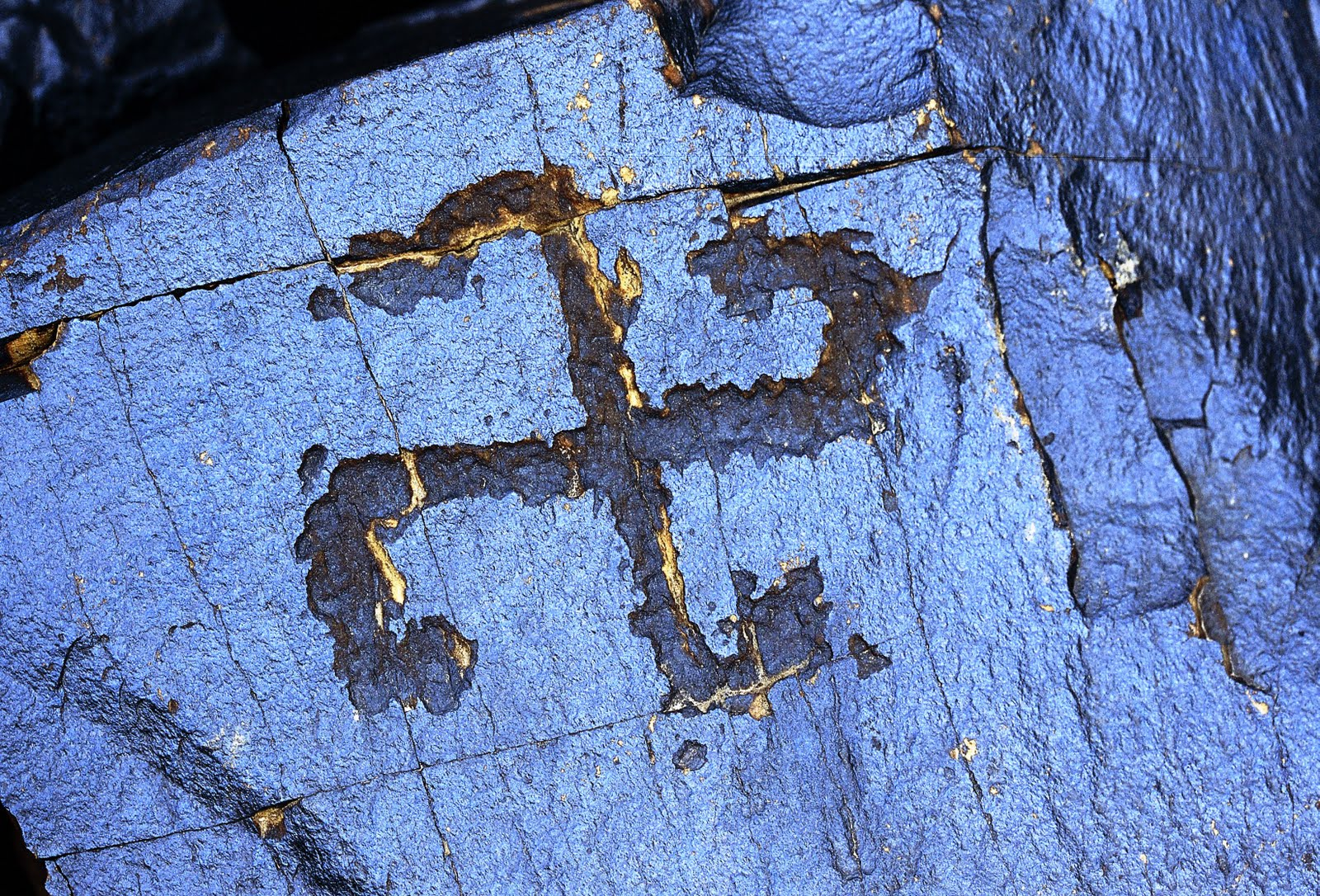
WHO SAYS THAT "SWASTiKA" iS iNDO-iRANİAN, iNDO-EUROPEAN or HİNDU OF ORiGİN?....

THE OLDEST ONE iS iN SAYMALYTASH (Saymalıtaş)
TURKiSH PETROGLYPH AT LEAST 15 THOUSAND YEARS OLD.


"Orkhon monuments  (Orhun Anıtları) are the last words of the Turks on stone "
"We were with 11 scientists in Saymlytash, on 10 thousand rocks 100 thousand petroglyphs...
We took only 6 thousand photo"


16. YÜZYILDA SAFEVİ DEVLETİ’NDE ETKİLİ OLAN DÖRT TÜRKMEN AŞİRETİ 
FOUR EFFECTIVE TURKMEN TRIBES OF SAFAVID STATE IN THE 16TH CENTURY
Yrd. Doç. Dr. Cihat AYDOĞMUŞOĞLU


Sheikh Haydar's son Ismail founded the Safavid Empire by defeating the ruler of Aq Qoyunlu in Tabriz in 1501. Safavid Empire was the longest-lived state which was founded in Iran during the Islamic period. After the foundation, Safavid Empire began to struggle with the Ottoman Empire in the west and Uzbeks in the east. Because, Safavid Empire has found itself in two Sunni world immediately after the establishment. In this struggle, Shah Ismail wanted to remove turmoil by sending his disciples through the territory of the Ottoman Empire in Anatolia. He also knew that the trends of Turkmen tribes of Anatolia comes from the time of his ancestors. Eventually, Safavid Empire was established by the Anatolian Turkish tribes. In so much that the sustaining element of the state has been the Turks. But when the Turkmen tribes began to fight each other to dominate the state, the central authority of the Safavid Empire weakened. Until the Shah Abbas’s reforms in the army and the state, the Qizilbash Turkmen tribes kept their positions in the administration of the Safavid Empire. The most effective Turkmen tribes in this period were Turkmen, Tekelu, Shamlu and Ustacalu tribes. In this article, we will try to explain the activities of these tribes.


1501 yılında Şeyh Haydar’ın oğlu İsmail, Ak Koyunlu hükümdarı Elvend’i yenerek Tebriz’de Safevi Devleti’ni kurmuştur. Bu devlet, İslâm devrinde İran’da kurulmuş olan devletlerin en uzun ömürlüsü olmuştur. Safevi Devleti, kurulduktan sonra hem Osmanlı Devleti hem de Özbeklerle mücadelelere başlamıştır. Zira Safevi Devleti kurulur kurulmaz kendini iki Sünni dünya arasında bulmuştu. Bu mücadeleler sırasında Şah İsmail, Anadolu’ya gönderdiği müritleri vasıtasıyla Osmanlı Devleti topraklarında kargaşa çıkartmak istemiştir. Zira Anadolu’daki Türkmen aşiretlerin, kendisinin de içinden çıktığı Safeviye Tarikatı’na ataları zamanından beri eğilimleri olduğunu biliyordu. Dolayısıyla Safevi Devleti’ni kuran ve yönetim mekanizmasının omurgasını oluşturan topluluk, tamamen Türk olup aynı zamanda Anadolulu idi. Böylece devleti ayakta tutan unsur Türkler (Türkmen aşiretleri) olmuştur. Şah Abbas’ın reformlarına kadar bu Kızılbaş Türkmen aşiretleri devlet teşkilatında ve orduda yönetimi ellerinde tutmuşlardır. Türkmen aşiretleri, İran coğrafyasına dağılarak Türkçe ve Türk kültürünün etkisini genişletmişlerdir. Türkmen emirlerinin eyalet valiliklerini ellerinde tutmaları ve kendi aşiretlerini yanlarında bulundurmaları sayesinde İran coğrafyası adeta bir Türk coğrafyası görünümü arz etmiştir. Fakat bu aşiretlerin olumlu etkilerinin yanında, devletteki hâkim pozisyonlarını korumak için giriştikleri acımasız mücadeleler gibi olumsuz etkileri de görülmüştür. Hatta bu mücadeleler çoğu zaman merkezi devlet otoritesini sarsan boyutlara ulaşmıştır. 16. Yüzyılda bu aşiretlerin en etkili olanları Türkmen, Tekelü, Şamlu ve Ustacalu oymakları olmuştur. Biz, bu makalede işte bu aşiretlerin faaliyetlerini anlatmaya çalışacağız.


*


EBU BEKR-i TiHRANi
KITAB-I DIYARBEKRIYYE - PDF

Ebu Bekr-i Tihrani'nin 875 (1470-71) yılında Akkoyunlu hükümdarı Uzun Hasan Bey adına Farsça yazdığı Kitab-ı Diyarbekriyye, Akkoyunlu ve Karakoyunlu Türkmenleri hakkında yazılmış tek tarih kitabıdır.


*


EXTRA:


1- "the Safavids was Turk, Turkic in their ethnic origins. And indead spoke Turkish as a language of daily life." Victoria Holbrook - Ohio State University / video


2- "In our history the Safavid state was mainly studied and analysed in two directions: link 
a) Shah Ismail I and Shah Abbas I period - the Turkish Safavids. 
b) Shah Abbas period and after - Persian Safavids."


3- Safavid Iran: Rebirth of a Persian Empire by Andrew J. Newman


* Qizilbash- (Kızılbaş) Kızıl-Red Baş-Head Turks (Alevieten also called as Kızılbaş)
* Aqqoyunlu (Akkoyunlu-White Sheep Turkomans) Turks
* Qaraqoyunlu (Karakoyunlu-Black Sheep Turkomans) Turks
in fact: Turkoman-Turkmen (Türkmen); means: I'm Turk = men+Türk

* Shah İsmail I.: the founder of Safavid Dynasty.
- mother Halima Begum, the daughter of Uzun Hasan of Akkoyunlu Turkish Dynasty.
- father Shaykh Haydar (Qizilbash), the nephew of Uzun Hasan (son of Qara Yuluk-Kara Yülük Osman)=Black Yuluk Osman, a Turkmen, founder of Aqqoyunlu.


* Afsharid (Avşar) Turkish Dynasty
 "Nader Shah, who deposed the last member of the Safavid dynasty and proclaimed himself Shah of Iran."
Afshar is one of the biggest tribe of Oghuz (Turks) confederation (24 tribes-also divided in little tribes, etc. That's way it is difficult for "strangers in Turkish History" to follow all these Turkish tribes, because they do not call Turks or Turkish, but with tribe names! ) Seljuk and Ottoman Turks are also from Oghuz (Oğuz) Turks, like Pecheneg Turks in Europe.

Avshar (Avşar) is also divided in Tribes like: Aqqoyunlu, Qarakoyunlu, Aydınoğulları ...


Zengid Dynasty of Avshar Tribe is the one who stopped the First Crusade. After the dead of Zengid Leader Salahaddin established the Ayyubi Turkish Dynasty and stopped the third Crusade (Richard I.the Lionheart of England,1191). Salahaddin is also Turkish, his brothers have Turkish names, and spoke Turkish in daily life. Usama İbn-Munqidh, who lived in his time, never mentioned in his memoirs that he was an Arab or Kurdish. Salahaddin comes from Afrasiyab, mentioned as Daşoğuz (which is Saka or Part, in the later time as Kipchak).  And the followers of Ayyubis are Mamluks of Egypt, which are the Kipchak Turks (also called as Polovets and Cumans in Europe), brothers of Oghuz. And Mamluk Kipchak Turkish army is the first army who defeated the Mongolian army.


* People who makes Safavids a Persian Dynasty must study better, as I show you above, they came from Oghuz Turkish Tribe. Relationship goes as: Oghuz-Avshar-Aqqoyunlu-Safavid and again Avshar.

5- Turks in İran (book in Turkish)

6- Old history of İranian Turks (book in Turkish with photo of Turukku)

* Todays "İran" was ruled from 1040 till 1926 by the Turks. There are still more then 40 million Turkish people living in İran. And before 1040 : Always Turkish tribes and states in Middle East, because Anatolia (Asia Minor, thus Turkey), Azerbaijan and Middle East are the homeland of the Turks. And the first state with the name Turk, was established as Turukku in 20th-12th c BC in North Mesopotamia. We did not came for the first time from Central Asia in the 10th-11th c AD, no, we were already here, and those who came, came back actually. That's why you don't see Mongolian race among us ; Turkey Turks and Azerbaijan Turks. (which many people things that the Turks are Mongolian race!) 

Every Turkish tribe is related with each other. History of the world can not be written without Turks. If so, then there is no History. Don't underestimate us. We are tired of other people's writings, using historical datas which belongs to Turks, like theirs and  enough with the "Turkish History" denial. History is knowledge about the past, it must be written in scholarly discipline, with evidence and respect in each others culture, and not with political thoughts.  With my regards,SB.2016


Turkish Culture and Art
Stone Ram (Taş-koç, Gravestones) mostly belong to Aqqoyunlu Turks
This one is in Armenia