karaim etiketine sahip kayıtlar gösteriliyor. Tüm kayıtları göster

30 Mart 2017 Perşembe

Karaim Jewish Turks / Karaim Musevi Türkleri


Karaim Jewish Turks in Crimea Ukraine - early 20th c
Karaim Musevi Türkleri - Kırım/Ukrayna - 20.yy başları
Altynly fez = Altınlı Fez (Turkish)
Fes (Headdress) in Gold; With six pointed star (to be seen in Hun-Turkish symbol-alphabet, see Noin Ula Kurgan 1st c BC , see also Seljuk Turks) and crescent-star [(sun) - in Turkish Kün-Ay = sun-Moon]
and
A Karaim Turkish Girl with this headdress
ve bu tip bir başlıkla bir Karaim Türk kızı...
(Seraya Szapszal's Karaim collection. Vilnius. 2004) link:
also
see Mamluk Turk symbols (a tribe of Kipchak Turks, Karaim Turks spoke Kipchak Turkish)


Footnote for Fez:

Fes/Fez (headdress) is actually Not a Turkish culture. Was brought from city Fez - Morocco at the beginning of the 19th c. and was marketed by the British merchant at the order of the Queen. In 1583 the Queen commandment to English Trade Representative to open a marked for this "red, without a fringe, a Scottish headdress" among the Turks. They have not forgotten for 250 years, eventually in 1832 at the time of Sultan Mahmut II, the Turks were wearing this "Fez". It was used for 200 years among Turkish people.

America (USA) is a 250 years old country and a nation state (İtalian, English, French, German, Irish, Spanish, etc.). They might call themselves "I'm an American", but, only "200 years" old "Fez" does not define Turkish Culture, Turks with at least 8000 years historical background...

SB.

250 yıllık olan Amerika (ABD), ki bir ulus-devlettir (İtalyan, İngiliz, Fransız, Alman, İrlandalı, İspanyol, vs.), kendilerine "Ben Amerikalıyım" diyor, desin, belki onlara 250 yıl yetiyordur! Ama sadece 200 yıllık olan "fes", kültürümüzü temsil edemez, etmez, çünkü Türklerin tarihi-kültürü en az 8000 yıllık...


Fes Türk Kültürü değildir. - Sinan Meydan / Cengiz Özakıncı: link


Ukraine Bakhchisaray [Bahçe+saray (Garden+Palace) Crimea]:


Karaites spoke Turkish language (a Kipchak Turkish branch), but wrote with the Hebrew alphabet, after accepting Jewish religion. On some of the gravestones are found ancient Turkic symbols. So that means, not every Hebrew inscriptions or six pointed star belongs to the Jewish people of today!... Karaites are Turkish people. They have been assimilated over time, but that doesn't erase the fact, their origin...


see also: 
"Men Karaimce ürianiam" (Turkish)  - "I learn Karaim" and


"Asher" in the name "Asher İsrael (Becker)" 
from the book: Memorial Book of Lutsk (Luts'k, Ukraine) Translation of Seyfer Lutsk, 1961

is Turkish to explain:
ASHER - AS+ER = AS Turks ; ER =man
ASHER = ASKER (soldier) (a work about the word "Asker")


Józef Sulimowicz (1913-1973) a Polish Karaite (Karaim), Turkologist.
(that means, a Turkish (Japhetic, Togarmah) Jew, not Jewish (Semitic) Jew!)
ANNA SULIMOWiCZ, 2015
Department of Turkish Studies and Peoples of İnner Asia


Kipchak Turks - Gravestone in Kars/Turkey


The word "TORAH" comes from Turkish TORA=TÖRE , 
means in English "law". 
So, the origin and the etymology of the Old Testament "Torah" is Turkish and not Jewish!... 
Some politicians, religious men who wants the power in their hands and scholars with political issues worked hard to hide the rich Turkish History and Langauge from the world!.. 

KARAİM TURKS who also spoke and wrote TURKİSH, but accepted Jewish Religion.. have been assimilated over time, but that doesn't erase the fact, their origin. 
SB.


*"Bitig" - Bitik (Book in Turkish)
*"Cykmahyny ekinci jily" - Çıkmasının ikinci yılı (Turkish)
Came out second year
*"Dertinci Bitik" - Dördüncü Bitik (Turkish)
Fourth Book


*
 "Sandyrev ol uluska Adonai ki Tenri Tenrisi anyn." (Kipchak Turkish)
(Happy is the nation whose Lord - his God.) (Tehillim 144: 15)


ULUS=Nation
TENRi (Tengri-Tanrı) = God
is TURKiSH


-Karaj sez-bitigi: Słownik karaimski. Karaimisches Wörterbuch
Aleksander Mardkowicz, Drukarnia Richtera, 1935 / link

-Karaite language belongs to the Turkic. 
Караїмська мова належить до тюркських./ link


THE DISCUSSION ON CONSONANT HARMONY IN NORTHWESTERN KARAIM
"Harmony is without doubt one of the most basic features of the Turkic linguistic family. "

ber- < *ber- ‘to give’ [b/v= ver *SB]
bil- < *bil- ‘to know’
bolak < *bölek ‘herd’ [böl = split *SB]
butuń < *bütün ‘all’
dort < *dört ‘four’
emań < *emen ‘oak’
gerima < *gertme ‘pear’ [germek=strech out; *SB]
it < *it ‘dog’
juŕak < *jürek ‘heart’ [yürek *SB]
juv < *üv ‘house’ [ev *SB]
juź < *jüz ‘face; surface’
kel- < *kel- ‘to come’ [gel *SB]
kijov ‘son-in-law’
kok < *kök ‘sky; blue’ [gök *SB]
kolaga < *kölege ‘shadow’ [gölge *SB]
kop < *köp ‘much’
koŕk < *körk ‘beauty’ 
koź < *köz ‘eye’ [k/g göz *SB]
kuc < *küč ‘power’ [güç *SB]
küń < *kün ‘day’ [k/g gün *SB]
öbga < *öbge ‘ancestor’
öktam < *öktem ‘proud’
ökśuź < *öksüz ‘orphan’
örńak < *örnek ‘example’
öźań < *özen ‘creek’ [ozan=poet; özen=care; öz=self; oz=god *SB]
śeń < *sen ‘thou’ [you in English *SB]
śokkala- < *sökkele- ‘to reproach’
śoź < *söz ‘word’
śut < *süt ‘milk’
til < *til ‘language’ [dil *SB]
togul- < *tökül- ‘to spill’ [dökül *SB]
toŕa < *töre ‘law’ [the old testament name is Turkish tora=torah *SB]
tosak < *töšek ‘bed’ [döşek *SB]
tuvul < *tüvül ‘değil’[? değil means not*SB]
ücuń < *üčün ‘for’ [için *SB]
üń < *ün ‘sound’ [ün=fame in English *SB]
üśt < *üst ‘surface’[üst=top in English*SB]
üvŕat- < *üvret- ‘to learn; to teach’ [öğret *SB]


Kamil STACHOWSKI / PDF
M.A., Chair of Central Asiatic and Siberian Languages, Jagiellonian University


POLONYA’DAKİ TÜRK HALKLARINDAN KARAYLARIN DİLİNDE “YAKLAŞMA YARDIMCI FİİLİ” ÜZERİNE
ON THE ADVERTIVE IN THE LANGUAGE OF THE KARAIS, ONE OF THE TURKIC PEOPLES IN POLAND

Tarihte 7-11. yüzyıllar arasında Karadeniz, Kafkas Dağları ve İdil Nehri civarında yaşamış Hazar devletinin içindeki halklardan biri olan, günümüzde de Hazar devletinin bakiyesi kabul edilen Karaylar, Museviliğin Karai mezhebini kabul etmiş, Türk dilinin Kıpçak lehçelerinden birini konuşan bir Türk halkıdır. Bugün daha çok Litvanya’nın Vilnius, Troki (Trakay) ve Panevez; Polonya’nın Varşova; Ukrayna’nın Lutsk ve Haliç; Kırım’ın Simferepol şehirlerinde ve İstanbul’da yaşamaktadırlar. Karaylar arasında kendi ana dilini bilen ve konuşan sayısı çok azdır. Kendi ülkeleri, özerk bölgeleri ve resmî dilleri olmayan Karayların dilleri, dolayısıyla da kendileri bugün yok olma tehlikesiyle karşı karşıyadır. Günümüzde Türk Karayların yoğunlukta yaşadıkları yerler Litvanya, Polonya, Kırım ve İstanbul’dur. Karayca aslen Kırım bölgesinde şekillenmiş olmakla birlikte, farklı 3 bölgede nispeten farklılaşmış 3 ağza ayrılmıştır.


ENG:
The Karais are one of the Turkic peoples that are accepted as the remnants of the Khazar State located among the Black Sea, the Caucasus and Idil River between the 7th and 11th centuries. They accepted the Karai sect of Judaism and speak Kipchak branch of Turkic. Today they mostly live in Vilnius, Troki (Trakai) and Panevez in Poland; in Lutsk and Khalich in Ukraine; Simferopol in Crimea; and in Istanbul in Turkey. The number of the Karais who know and speak their own language is quite few. The language of the Karais, who do not have their own country, nor an autonomous region and an official language, is in threat of extinction and so are they. Today, Lithuania, Poland, Crimea and Istanbul are the palces where the Karais live densely. They have 3 relatively differentiated dialects, mostly shaped in Crimea. 


Yrd. Doç. Dr. (Ass.Prof.)Selma GÜLSEVİN / PDF


* * * 


Harran Yahudilik açısından önemli bir bölgedir. Tevrat'a göre Hz.İbrahim Harran'a gitmiş ve bir müddet dayısı Laban'ın yanında kalmıştır. Bugünkü Harran'da Yahudi tarihine ait herhangi bir kalıntı bulunmamakla beraber Yahudiler açısından kutsallık taşımaktadır. Hz.İbrahim Yahudilerin atalarından sayıldığı için ve de "ayağınızın bastığı her yer sizin olacak" cümlesinin Tevrat'ta yazmasıyla, Harran'ın da Yahudilere vadedilen topraklar sınırına girdiği söylenmektedir. 
Tüm kavga bunun içindir!... Lakin Yahudilere vaadedilmiş toprak yoktur...


Harran is an important part of Judaism. According to the Torah, Abraham went to Harran and stayed with his uncle Laban for a while. in today's Harran, there is nothing that point out Jewsih history, but it is holy to the Jews. Because Abraham was counted among the ancestors of the Jews, and "every place that the sole of your foot will tread upon I have given to you." is be written in the Torah, Semitic Jewish claim that Harran territory is the promised to them.
That's the reason of all the fights and wars on this lands!.. But there is no promised land.... 
(read: The Invention of the Land of Israel by Shlomo Sand)

HARRAN


By the way;
Kerkük (Kirkuk) and Musul (Mosul) are Turkish city-lands... Shall stay Turkish.
If you are going to establish a kurdistan (which they think but in reality it is 'Big israel'!), then I, as a Turk, claim all my ancestors lands in Europe, Balkans, Russia, Irak and İran as Turkish lands, want back Nagorno-Karabakh and Yerevan which belongs to Azerbaijan, and want independence of all autonomous Turkish states in Russia-Siberia, ... Look at the maps of Subarians (Suvar, Subartu), Aratta, Turrukku, Kimmerians-Scythians, Huns, Avars, Khazars, Pechenegs, 
Kipchaks-Kumans, Seljuks, Ottomans... 
and these are just some, not all of them!...
An other NWO-War Merchants Crime:
(their masters, Zionism-Theodor Herzl, also ordered to use six pointed star as a symbol of the "Jews"!) 
Demographic Genocide With Wars They Cause!...
Go play with your own country!...
Damn you all...
SB.


12 Aralık 2016 Pazartesi

Mangup Kale - Kırım


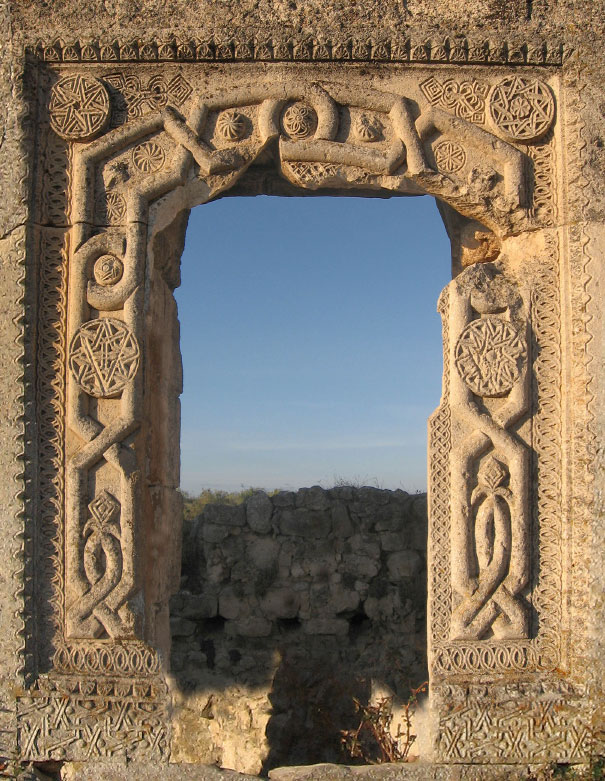
Doğu Roma tarafından Doros ya da Dory olarak adlandırılırken Kıpçaklar döneminde Mangup adını almıştır. Hazarlar, Bulgarlar, Peçenekler, Kıpçaklar ve Karaim-Karay Musevi Türkleri yaşamıştır. Kalenin  I. Justinianos döneminde yapıldığı söyleniyor. Ancak Kale kapısının üzerindeki bezemeler Hazar ya da Karaim Musevi Türklerinden kalmadır. Kıpçak ve Selçuklu dönemi benzeri motiflerde gözden kaçmamaktadır. Zaten Karayların Türkçesi de Kıpçaklar grubuna girer.

SB


"Mangupkale, Karay Türkleri'nin Kırım’daki en kutsal yerlerden birisidir. Vaktiyle bu kale ve çevresindeki önemli miktarda Karay Türkü yaşamaktaydı. Kösele ve güderi işleriyle uğraşan Karayların ürettiği "Mankub Köselesi" 
Kırım genelinde çok meşhurdu."


ilgili:
KIRIM KARAYLARININ ATASÖZÜ VE DEYiMLERİNDE GÖÇEBELİĞİN İZLERİ


Ayrıca Kıpçak olan Memluk Türklerinden kalan Halep Kalesi'ne de göz atın, benzerliği göreceksiniz.


Mezar taşlarındaki bezemeler Kıpçak-Kuman Türk mezar taşlarındaki bezemeler arasındaki birebirlik.


Kıpçak Mezar Taşı / Kuyucuk Köyü - Kars 


// Koy kopeksiz bag dereksiz...


7 Mart 2016 Pazartesi

Askenazi Jews and Turks


The great capital city of modern Ukraine, Kiev, was founded by Khazars or Hungarians. Kiev is a Turkic place name (Küi = riverbank + ev = settlement).


The Khazars were a Turkic people who originated in Central Asia. The early Turkic tribes were quite diverse, although it is believed that reddish hair was predominant among them prior to the Mongol conquests. In the beginning, the Khazars believed in Tengri shamanism, spoke a Turkic language, and were nomadic. Later, the Khazars adopted Judaism, Islam, and Christianity, learned Hebrew and Slavic, and became settled in cities and towns thruout the north Caucasus and Ukraine. The Khazars had a great history of ethnic independence extending approximately 800 years from the 5th to the 13th century.


The earliest history of the Khazars in southern Russia, prior to the middle of the 6th century, is hidden in obscurity. From about 550 to 630, the Khazars were part of the Western Turkish Empire, ruled by the Celestial Blue Turks (Kök Turks). When the Western Turkish Empire was broken up as a result of civil wars in the middle of the 7th century, the Khazars successfully asserted their independence.


The first Khazar capital was Balanjar, which is identified with the archaeological site Verkhneye Chir-Yurt. During the 720s, the Khazars transferred their capital to Samandar, a coastal town in the north Caucasus noted for its beautiful gardens and vineyards. In 750, the capital was moved to the city of Itil (Atil) on the edge of the Volga River. In fact, the name "Itil" also designated the Volga River in the medieval age. Itil would remain the Khazar capital for at least another 200 years. Itil, the administrative center of the Khazar kingdom, was located adjacent to Khazaran, a major trading center. In the early 10th century, Khazaran-Itil's population was composed mostly of Muslims and Jews, but a few Christians lived there also.


AN INTRODUCTION TO THE HISTORY OF KHAZARIA
by Kevin Alan Brook (link)


"It is certain that Khazar Jews lived in Phanagoria (Tmutorokan), since over sixty tombstones bearing Jewish symbols (such as seven-branched menorahs, shofars, and lulavs) on one side and Turkic tribe symbols (tamgas) on the other side were found on the Taman peninsula. Many of these tombstones date from the eighth or ninth century. Khazarian tombstones on the Crimean peninsula also depict the shofar, menorah, and staff of Aaron, as well as Turkic tribe symbols... The artifacts from Taman and Crimea are extremely significant since their tamgas show that these Jews were ethnic Turks." - Kevin Alan Brook, in The Jews of Khazaria (Jason Aronson, 1999), page 142 (link)


Khazaria is regarded as the "country of the Jews" (Zemlya Zhidovskaya) in Russian folk literature (byliny). And the Schechter Letter informs us that some of the Alan people (neighbors of the Khazars to the south) also adopted Judaism (see Golb and Pritsak, Khazarian Hebrew Documents of the Tenth Century, pages 113 and 115).


"Norman Golb and Omeljan Pritsak now present two Hebrew texts... The first manuscript, referred to as 'the Kievan letter,' is 'the earliest original document in any language containing the name Kiev.'... The second document -- known as the 'Schechter text' (an anonymous Khazar's epistle to Hasdai ibn Shaprut of Cordova) --is a fragment dating from the mid-tenth century. [The] book includes photocopies of both manuscripts, along with printed Hebrew texts of the same documents, accompanied by Golb's new English translations on the opposite pages. Paleographic and textological analyses follow, which argue convincingly in favor of both texts' authenticity. Each document is then fitted into a broader historical background, to produce most interesting conclusions... We... find their thesis plausible: 'Khazars who adopted Judaism . . . came to form a part of the Ukrainian component of eastern European Jewry . . . eventually to be assimilated by it.' This is an intermediate view, between the claim that only a few, high-ranking Khazars adopted Judaism and the opposing hypothesis that large numbers of Ashkenazim are descended from Khazars." -- Horace W. Dewey, in The American Historical Review (1983)


"...[Khazarian Hebrew Documents of the Tenth Century] puts to rest whatever lingering doubts one might still entertain regarding the Khazars' relationship with Judaism and the contemporary Jewish world. The collaboration of two eminent linguists and historians like Golb and Pritsak has resulted in the final and most authoritative edition, translation, and explanation of the two key Hebrew documents [the Kievan Letter and the Schechter Text] which were found in the Cairo Geniza... The authors' well documented arguments leave no doubt about the authenticity of both these documents. Pritsak's brilliant linguistic comments explain the origin of the Turkic names found in the documents, and at the same time give a persuasive historical reconstruction for a period and a geographic area that still need thorough investigation." -- Vera Basch Moreen, in The Jewish Quarterly Review (April 1983)


"[T]he publication of a new and important source, a tenth-century Khazarian Hebrew document from Kiev, is a truly important event.... Golb and Pritsak have rendered an invaluable service to Khazar and Rus' studies in not only preparing excellent editions and translations of two important sources, but also in providing commentaries to the texts that are both richly informative and thought-provoking. Even when disagreeing, one is compelled to rethink many problems and this is all to the good... In any event, the work stands as a landmark in Khazar, early Rus', and East European Jewish studies." -- Peter B. Golden, in Harvard Ukrainian Studies (December 1984)


"The book... has much to offer to Hebrewists, historians of religion, and even researchers of Khazar history." -- Lajos Ligeti, in Acta Linguistica Academiae Scientiarum Hungaricae (1981) Unfortunately, the English edition - "Khazarian Hebrew Documents of the Tenth Century", released by Cornell University Press in 1982 - is out of print. Only the Russian edition can currently be purchased. (link)


No Turkic words exist in the Yiddish language. FALSE

The Khazars were not a highly cultured people. FALSE

Since the Ashkenazi Jews are genetically Israelites, then it is not possible that they had any ancestors who lived in the Khazar kingdom. FALSE - BECAUSE KHAZARIA WAS A DESTINATION FOR THE JEWISH DIASPORA, AND KHAZARIAN TURKISH JEWS INTEGRATED WITH OTHER JEWS


"The Invention of the Jewish People" by Shlomo Sand 
is also an interesting book...!


// Thus, not all Ashkenazi! Jews (who rule the World!) are descendants of the Ashkenazi Turks. Being a Ashkenazi Jew was important for them, they accepted Khazar Jews as "Noble" !...


"Hazarların menşei itibarıyla Türk olup, Orta Asya'dan geldikleri muhakkaktır.... X. yüzyıl İslaˆm tarihçisi Mes'udi İranlıların Hazar adını verdikleri kavme Türklerin Sabar (Sabir) dediklerini belirtmektedir."

"Khazars are Turkish people and came from Central Asia... In the 10th c İslamic historian Mes'udi wrote: the Turks called Sabar (Sabir) but the Persians called Khazar. "


"Hitlerin toplama kamplarında toplanan ve kırılan Yahudiler Türk Hazar Musevileridir.."